Shedding Light on Out-of-School Time

When the final school bell rings, the day may seem to be over—but learning and growth are far from done. Many children, particularly those in underserved areas, face hours of uncertainty with parents still at work, limited safe spaces and scarce opportunities for enrichment. This period—commonly known as “Out-of-School Time” or OST—is far more than a gap in the day; it’s a critical window where support, guidance and connection can change a child’s trajectory. TrueNorth Community Services understands that OST isn’t just downtime—it’s opportunity time. For decades, we’ve provided environments where children in rural and underserved Michigan communities can explore, grow and be supported beyond the classroom, laying the foundation for resilience, curiosity and success.

Continue reading to learn how TrueNorth’s Out-of-School Time programs work, why they matter and what research says about their impact on children’s academic, social and emotional growth.

What Is Out-of-School Time, and Why Does It Matter?

OST covers the hours outside the regular school schedule—before school, after school, evenings, weekends and summer. According to a study published by the National Library of Medicine, strong OST programs can significantly enhance reading and math skills for at-risk students, especially when delivered consistently and with intentional structure.

But the benefits go far beyond academics. An article by the Expanding Learning & Afterschool Project explains that OST programs following evidence-based social and emotional learning (SEL) practices lead to meaningful improvements in personal and social skills, which directly support classroom learning. Similarly, a report from the Afterschool Alliance highlights reductions in risky behaviors, improved attitudes toward school and better overall student behavior for those enrolled in high-quality programs. The reach of OST extends even further. According to a CDC resource on OST, these programs can play a vital role in promoting healthy behaviors, improving nutrition and addressing health disparities in underserved communities.

How TrueNorth Designs Impactful OST Programs

TrueNorth’s OST programs are not simply places for students to pass the time. They are intentionally designed to meet the academic, recreational, social and emotional needs of the youth they serve. Children have access to nutritious meals, engaging activities, and a safe space to connect with peers and positive adults across 13 program sites that run throughout the school year and summer months.

Two of TrueNorth’s most recognized OST initiatives are Project FOCUS and Project FOCUS Rural Grit. Project FOCUS serves students in Baldwin, Hart, Holton, Muskegon Heights and Walkerville, while Rural Grit extends services to Hesperia and White Cloud. These programs combine targeted academic support with enrichment experiences that foster creativity, teamwork and problem-solving skills. A student might spend the first part of the afternoon working on reading comprehension with a tutor, followed by a group project in science or art that reinforces critical thinking and collaboration.

Nourishing the Whole Child

Academic achievement is only part of the equation. TrueNorth’s OST model takes a holistic approach to child development, recognizing the connections between health, emotional well-being and learning. Nutritious snacks and meals are a standard part of programming, ensuring students have the fuel they need to focus and engage. For some children, these may be the most substantial meals they receive until the next school day, making the nutritional component of OST an essential service.

Mentorship is another cornerstone. Staff and volunteers are more than supervisors—they are trusted role models. According to research summarized by the Society for Research in Child Development, even one supportive adult can significantly boost a child’s resilience, self-esteem and academic success. In TrueNorth programs, students find a network of such adults, each offering guidance, encouragement and a listening ear.

Lighting the Way with Lights On Afterschool

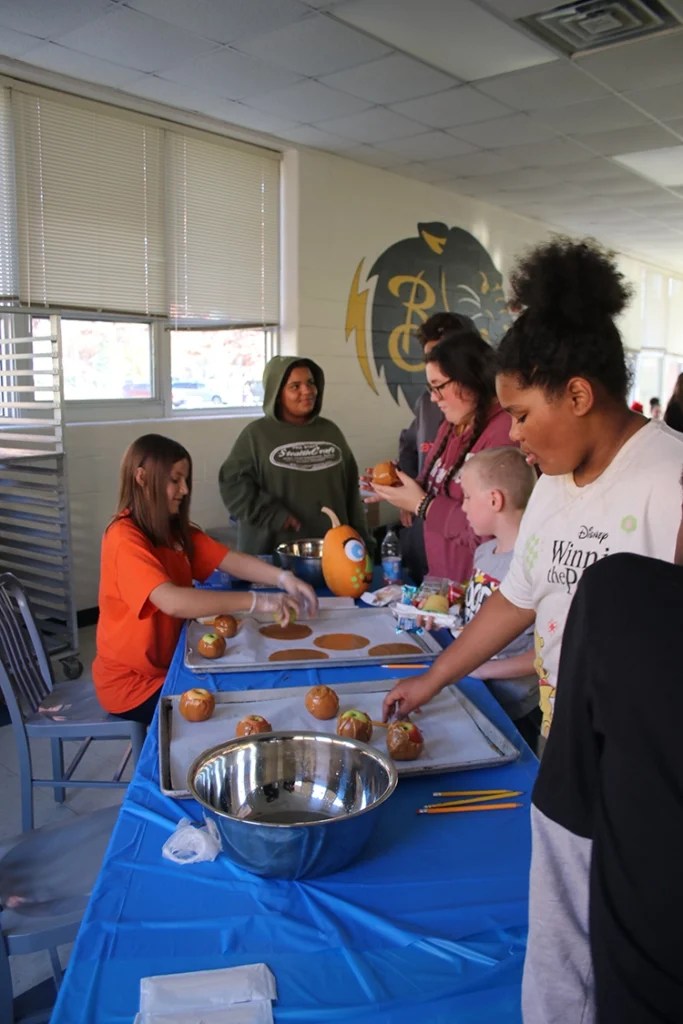
One of TrueNorth’s most visible efforts to highlight OST’s value is our annual Lights On Afterschool celebration. This nationwide event highlights the importance of afterschool programs and the significant role they play in children’s lives. In rural Michigan, where access to extracurricular activities can be limited, this event holds a special significance.

Lights On Afterschool brings together families, educators and community leaders to celebrate the achievements of youth. It also raises awareness about the need for sustained investment in OST programs. The event typically features interactive activities, student showcases and opportunities for the public to see the programs in action.

Lights On Afterschool is more than a party. It is a powerful advocacy tool that reminds policymakers and residents that after-school time is essential. By inviting the public into OST spaces, TrueNorth demonstrates how structured, supportive environments can boost academic performance, foster creativity and build social skills.

The event also encourages families to connect with available resources. Many discover new programs or volunteer opportunities they hadn’t known existed. This helps strengthen community bonds and ensures more youth can benefit from safe, engaging afterschool spaces.

The message is clear: when we invest in OST, we invest in our children’s futures. Lights On Afterschool helps keep that truth front and center for everyone in the community.

Addressing Challenges in Rural Settings

Facilitating OST programs in rural communities presents unique challenges: long distances between homes and schools, limited public transportation and staffing shortages often make participation difficult.

According to the Afterschool Alliance, rural program providers frequently struggle with sustainable funding, qualified staff, transportation, facilities and maintaining high-quality programming—barriers that make access especially challenging.

The America After 3 PM report reveals that rural families face significant access hurdles. Nearly 60% cite poor transportation, inconvenient locations or lack of available programs as reasons they don’t enroll their children.

Research from Education Week also confirms how transportation and staffing costs continue to drive up operational expenses in rural after-school programs.

TrueNorth works closely with school districts to overcome these barriers. Programs are located directly in school buildings to eliminate transportation issues. These adaptive strategies ensure geography doesn’t limit opportunity. They also reflect TrueNorth’s commitment to tailoring solutions that meet community-specific needs.

Outcomes That Echo Through Time

The impact of TrueNorth’s OST programs is seen not only in immediate academic gains but also in long-term personal growth. Teachers often report that students who participate are more engaged in class, demonstrate stronger teamwork skills and have improved attendance. Parents notice boosts in confidence, communication and enthusiasm for learning.

An article by the Expanding Learning & Afterschool Project notes that programs meeting high-quality benchmarks—safe environments, strong relationships and intentional program design—consistently lead to improvements in literacy, social-emotional learning and student engagement.

The most powerful result is the way OST can spark lifelong interests. A child who builds a robot in an after-school activity may one day pursue a career in engineering. A student who learns to paint may discover a lifelong passion for the arts. These moments of discovery and self-expression can shape academic paths, career choices and personal fulfillment for years to come.

Looking Ahead: Expanding Reach, Deepening Impact

TrueNorth’s vision is to ensure that every child, regardless of zip code or income, has access to high-quality OST programs. With continued grant funding, community partnerships and volunteer involvement, they aim to broaden their reach and deepen their impact in the coming years.

While policy conversations often focus on the classroom, OST is a vital part of the educational ecosystem. It is where learning becomes hands-on, where children test their creativity, build friendships and gain confidence in their abilities. It is where they feel safe, supported and inspired to reach for more.

By investing in OST programs like those offered by TrueNorth, communities invest in their future. These programs support working families, strengthen neighborhoods and most importantly, help children thrive. The hours after school may seem like small moments in a long day, but for many youth, they are the hours that make the biggest difference.

TrueNorth Community Services continues to prove that with the right mix of guidance, opportunity and care, every child can shine—during school, after school and far beyond.
Innovative New Programs

Building Connections

Community Connections has been busy with new and exciting ways to connect this year! Based on input and feedback from program participants, and research from program staff, we are continually trying new programming to help this population feel connected to their community.

Walking All Together takes advantage of a great local resource; the paved, Garfield Township Hall Nature Trail. Every Wednesday, participants join Connections staff for a stroll through nature—utilizing one of the easiest ways to get some exercise and enjoy the great outdoors.

“I started (Walking All Together) to get out of the house… to be healthier. I think it’s great!” – Alice

The Curious Kitchen is a hands-on cooking class which teaches participants interesting and unique culinary creations. Luis recently attended a Curious Kitchen Japanese Fried Rice cooking class, and when asked if he would be able to duplicate the recipe at home, said; “Oh yeah… I got it. It’s all up here now,” pointing to his head.  

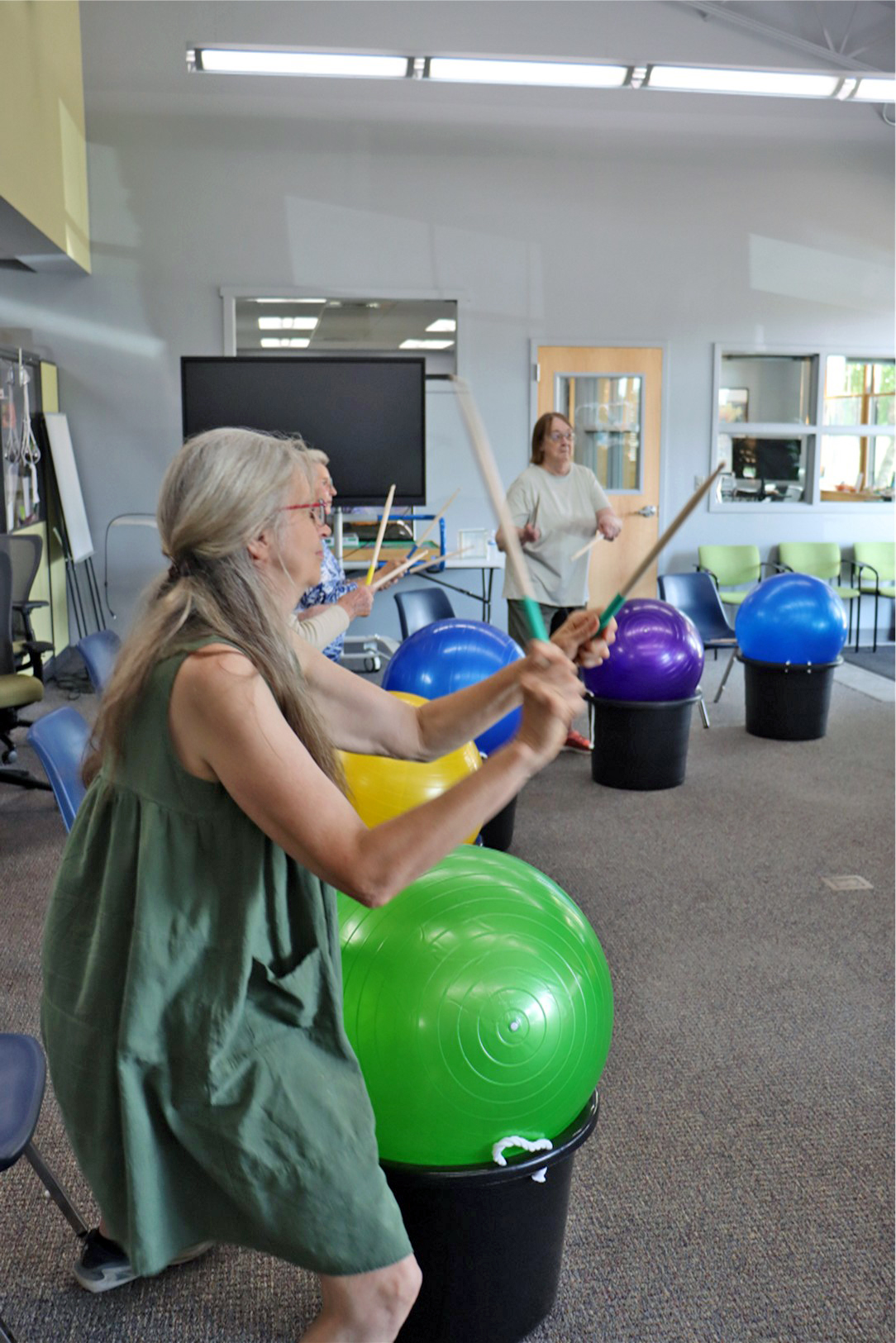
One of our newest offerings is a cardio-drumming class called Drumming All Together where participants stand or sit while drumming on exercise balls secured in large buckets – a great workout for both the body and the mind! 

“That (Drumming All Together) is a riot! It’s a good cardio workout and lots of laughs.”  Darlene 

Community Connections continues to innovate and find new ways for the aging population in Newaygo County to connect and thrive. Funding for all Community Connections programs is provided, in part, by Fremont Area Community Foundation. 


Backpacks Distributed

Equipping Students for Success

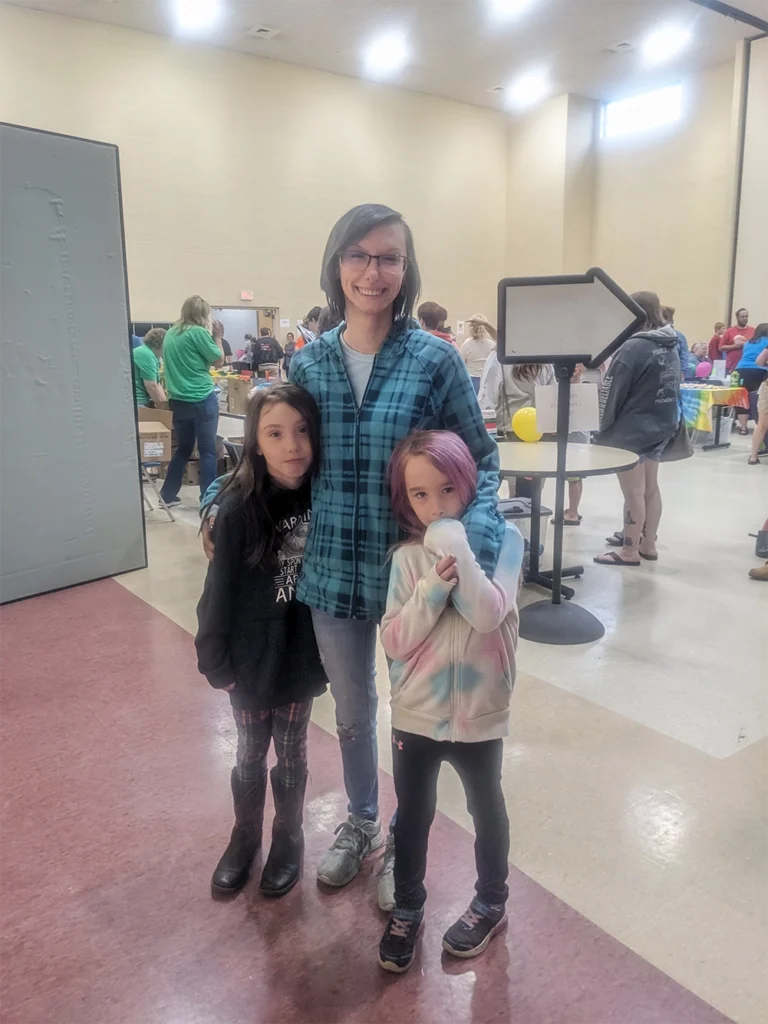
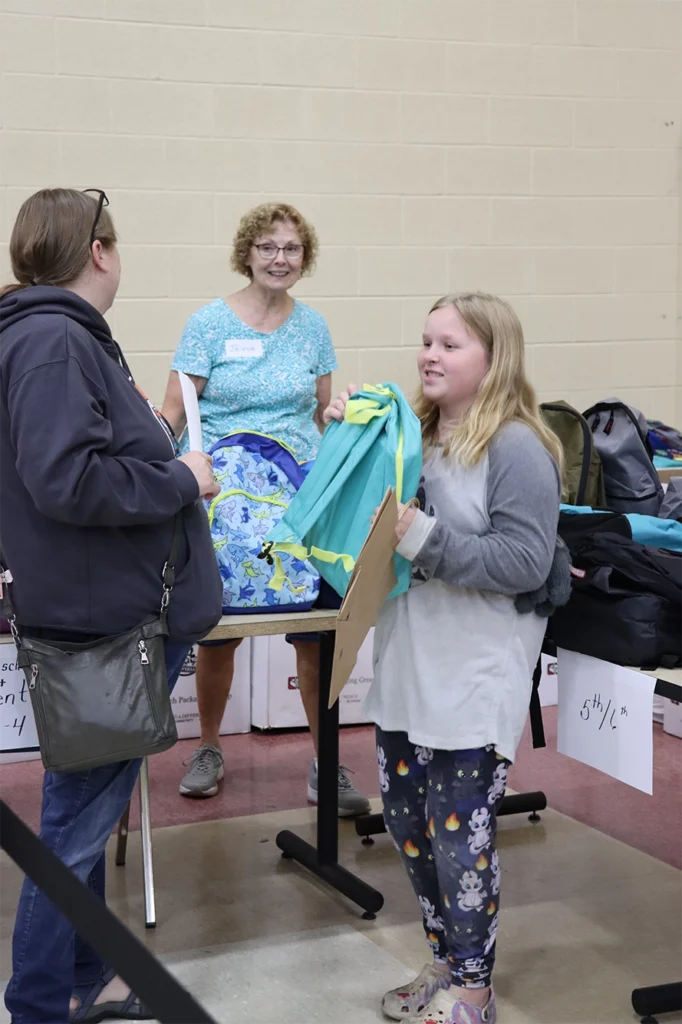
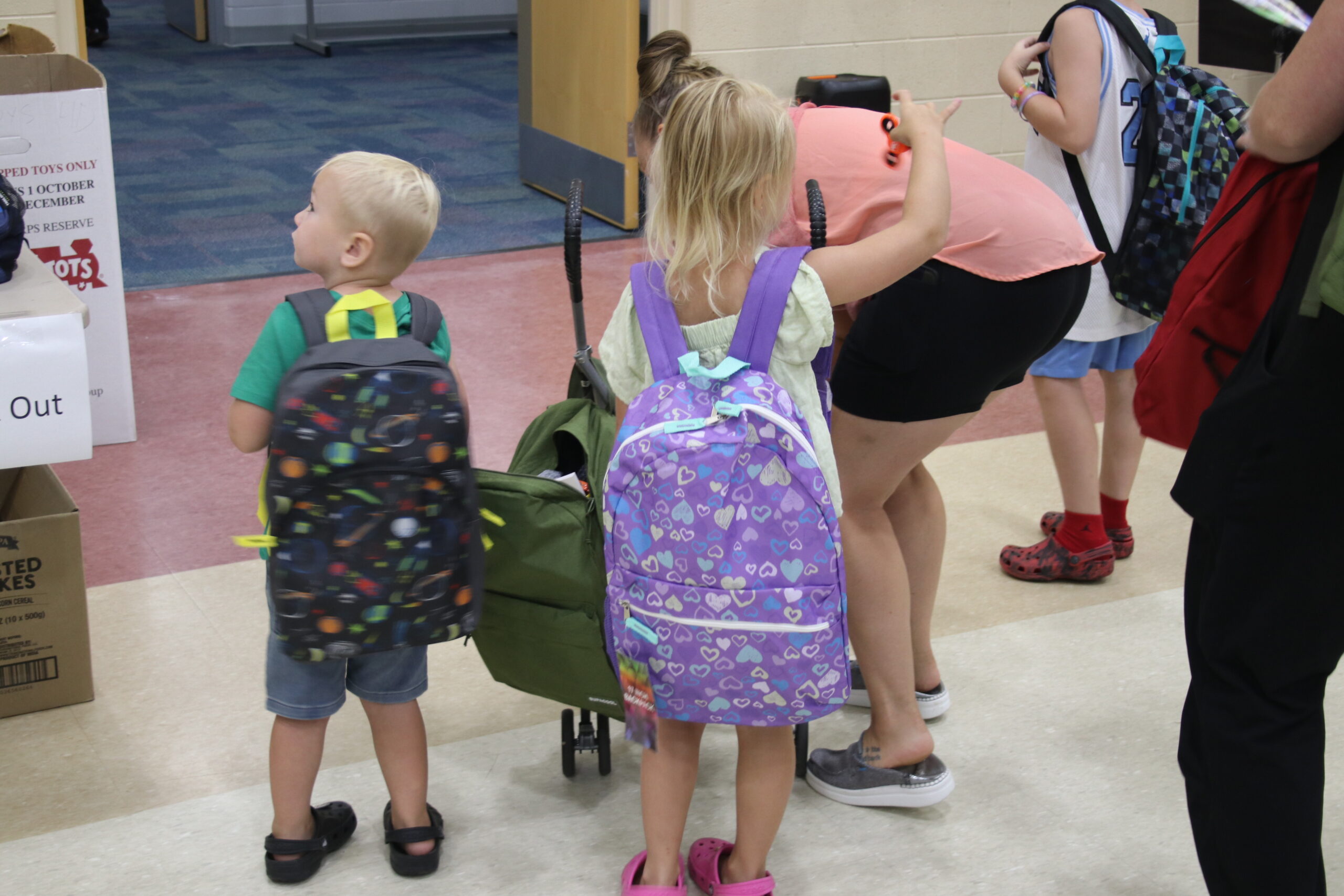
Good Happens Here at TrueNorth Community Services — and this week, that good came in the form of 800 backpacks filled with school supplies distributed to local students through the annual Tools for School event.

By the time the school year begins, TrueNorth expects to provide about 1,000 backpacks to students across the area. Each backpack contains age-appropriate supplies to ensure students start school ready to learn, while helping ease the financial burden for families.

“Back-to-school time can be stressful for many families,” said Mark Kraus, Community Liaison and Development Director. “Thanks to the generosity of our donors, partners and community, good truly happens here — and hundreds of kids now have the tools they need to succeed from day one.”

The success of Tools for School is made possible through the generous support of the Fremont Area Community Foundation, The Gerber Foundation and more than 125 individual donors. TrueNorth also recognizes the partnership of Gerber Life Insurance, Nestlé Gerber, ChoiceOne Bank, Edward Jones and Fremont Insurance, whose contributions helped make this year’s event possible.

For many students, these backpacks represent more than just pencils and notebooks — they are a boost of confidence and a reminder that their community believes in them.


New Opportunities for Kids

Summer Blast Success

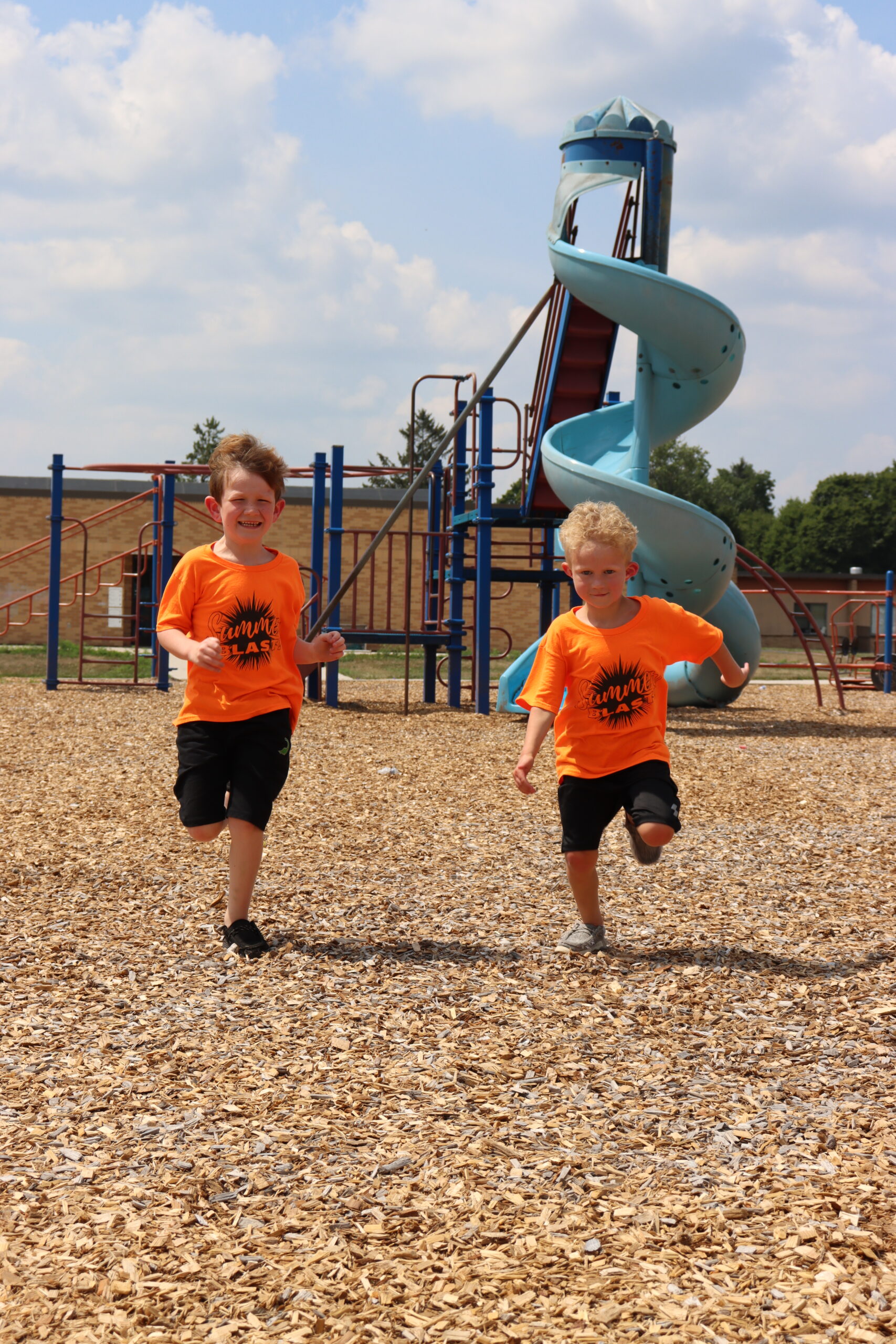
From visits to the waterpark, nature center and library to going to restaurants, the zoo and museums, the youth who experienced Summer Blast this summer sure had a lot to talk about! And the weekly field trips were at the top of their lists! 

Brothers Brayden and Albert excitedly shared the waterpark as their favorite trip. Their grandma Debi Church expounded on the experience and commented what a blessing the free program was to her family. She mentioned field trips to the zoo and museums and went on to share, “Social security only goes so far, and when you are raising two little ones, deciding what comes first- field trips don’t; TrueNorth made it possible for them to have a good summer, thank you!” Debi praised the program, the safety of the kids and the variety of activities; mentioning opportunities they wouldn’t otherwise have. 

Summer Blast, which took place at Daisy Brook Elementary, Fremont Middle School, Grant Elementary, Grant Middle School and Newaygo Elementary served 208 youth this summer with academic support, social emotional learning, college & career exploration, activities centered around the arts, agriculture, community engagement, leadership and plenty of recreation indoors and outdoors.

Summer Blast is funded by the Michigan Department of Lifelong Education Advancement, and Potential, along with the Fremont Area Community Foundation and private donors. A huge thanks to all our partners for helping make our first season of Summer Blast a huge success!

Outdoor Mentoring Programs That Inspire Youth

Many youth need positive role models. Mentorships are one of the most effective ways to ensure kids receive the support they need to thrive. Outdoor-based mentoring is especially impactful, as it connects kids with mentors and nature simultaneously.

Continue reading below to learn more about outdoor-based mentoring programs, their benefits and how you can enrich our kids’ lives.

What is Outdoor-Based Mentoring?

Outdoor-based mentoring is exactly as the name describes–youth connecting with positive adult role models in nature. Communities offer different variations of these programs depending on the environment, outdoor activities available and length of their programs.

But what makes the impact of outdoor-based mentoring programs different from other types of mentoring programs? According to the article, “Harnessing the power of positive mentors & outdoor experiences for healthy and resilient youth,” by Mentor, “Outdoor experiences have a profound impact on us, physically, mentally, and emotionally — being outside helps us live healthier and happier lives. Yet for many young people, these experiences are outside of reach.” This type of mentoring combines nature’s benefits with mentor support, helping kids build resilience through new experiences. Outdoor-based programs not only get youth outside more often but also support their development.”

Outdoor-based programs not only get youth outside more often but also support their development, as Suzanne McCormick and Karen Pitman explain in their article, “The Nature of the Outdoors: Stronger Youth Development Through Exploration.” They note, “Outdoor programs provide a fertile ground for the holistic development of young people, offering opportunities for experiential learning, connection with nature and meaningful interactions that facilitate Skills for Thriving growth and contribute to positive long-term outcomes.” By supporting youth in nature, outdoor mentoring helps them grow into resilient future leaders.

See below how TrueNorth Community Services helps youth flourish outdoors through our Parks in Focus program. 

TrueNorth’s Parks in Focus Program

At TrueNorth, we believe every child deserves the guidance and encouragement necessary to thrive. This is why we offer Parks in Focus as one of our four mentoring programs. The goal is to connect youth with positive role models, nature and each other–ultimately building caring, confident young adults.

Parks in Focus is an outdoor-based group mentoring program run through TrueNorth’s TrueMentors program with curriculum provided by the Udall Foundation. TrueNorth staff and community volunteers lead youth on outdoor adventures that combine group mentoring, photography and nature exploration. Participants experience activities such as hiking, camping, fishing, kayaking, and boating—often for the first time. From visiting Michigan State Parks and National Parks to local trails, kids have opportunities to experience places they would not have the chance to visit.

One of the program’s highlights is the week-long trip in Michigan’s Upper Peninsula. For many participants, this is their first time away from home. TrueNorth staff, volunteers and Parks in Focus alumni lead the trip, offering leadership opportunities. The trip emphasizes teamwork and resilience in a safe, supportive setting.

Continue reading for the benefits of mentoring programs like Parks in Focus below.

Benefits of Outdoor-Based Mentoring Programs

There are several physical, mental and social benefits of outdoor-based mentoring programs. From promoting an active lifestyle to helping kids foster friendships, participants grow through these mentoring experiences.

According to Danielle Cohen’s article, “Why Kids Need to Spend Time in Nature,” “kids who play outside are happier, better at paying attention and less anxious than kids who spend more time indoors.” Having kids spend time in nature allows them to unplug and be active. Cohen further notes that increased movement for kids improves their overall health and focus.

Resilience is another key attribute kids learn from outdoor mentoring. Mentor explains in their article how “growing evidence across the positive youth development field has highlighted resiliency as a predictor of youth success. Resilience is the ability to recover from setbacks, adapt well to change and keep going in the face of adversity.” Placing children in new environments and teaching new skills helps them learn how to navigate challenges. This is why the mentoring aspect of outdoor programs is so important. Having a caring adult to learn from helps kids build resilience, confidence and compassion.

Group mentoring programs such as Parks in Focus also help kids grow socially. Children tend to bond with one another when they share new experiences, especially when outdoors. These opportunities help youth build friendships across diverse backgrounds and foster community. Not only does this help kids learn relationship skills such as empathy, but it also gives them a sense of belonging.

Stories of Impact

Read Chucky’s and Vicente’s stories below to see firsthand how outdoor-based mentoring programs like Parks in Focus help kids grow into their best selves.

Chucky’s Story

Chucky posing for a photo.

“I learned how to communicate with people that I don’t know and people that I’ve never seen before, and I feel like that trip made it way easier,” says Chucky about his experience during the Parks in Focus summer immersion trip.

For Chucky, spending a week with new kids in Michigan’s Upper Peninsula helped him grow more confident and comfortable with talking to new people. This new experience helped the kids bond while learning and having fun together.

One of Chucky’s favorite parts of the trip was when they went on a boat ride that didn’t go exactly as planned. The weather was not good, and there were rough waves, forcing the boat to turn back. This made a few of the kids nervous, but Chucky was there to offer support. He even got the rest of the kids to sing songs together to help take their minds off the waves.

Chucky says, “I learned that I was very empathetic a lot of the trip.” Being able to see the needs of his friends and help them feel better was a great leadership skill Chucky learned.

Having these new opportunities at Parks in Focus allowed Chucky to grow as a leader and as a person overall.

Vicente’s Story

Vicente in the woods.

Vicente has been a part of Parks in Focus at TrueNorth Community Services for over four years. From being a participant to becoming a returning leader, Vicente has stepped outside of his comfort zone and become a leader for the other kids.

“It was one of the first times that I stepped out of my boundaries, or outside of my comfort zone,” says Vicente about his first experiences at Parks in Focus. Going on the week-long trip for the first time was both exciting and nerve-wracking for Vicente. It was the longest he’d been away from his family, but by the end of the trip, Vicente felt accomplished.

Throughout his time in the program, Vicente has become more curious and well-spoken. He enjoys learning new photography skills while interacting with kids he may have never met. With support from TrueNorth staff and peers, Vicente thrived through many trips over the years.

Vicente flourished through these experiences as he connected with the other kids and became a role model for them. Volunteer Dawn Dechand has watched Vicente grow into a returning leader who now helps support new kids in the program.

“It’s really nice to see how they grow into their ability to lead and be role models for other kids. Vicente is a really great example of that,” says Dawn about her experience with Vicente. “He was a really good example of how the returning leaders can really develop into being great people and great leaders.”

Support Outdoor-Based Mentoring Programs to Impact Lives

You can make a real difference in the lives of kids like Chucky and Vicente. Whether you donate to or volunteer at Parks in Focus, you can be confident that you are impacting lives for a lifetime.

“I love just walking around, taking pictures and going on hikes, but I also love the small community that we have. I love the way the workers interact with the kids, and then I love the way the kids get along,” reflects Vicente on the impact of Parks in Focus. 

You can ensure kids have opportunities to build community and grow as individuals. Make a caring gift or volunteer today to enrich the lives of our youth.

Energy Laws Impact Cooling in Newaygo County

Summers in Newaygo County bring outdoor adventures—but also rising temperatures that make reliable cooling a necessity. Cooling is essential for comfort, protecting vulnerable residents, and meeting future energy needs. Cooling connects directly to how local and state governments regulate energy use. Recent legislative changes and evolving local policies are shifting how residents cool their homes and pay for energy. People are also adjusting their interactions with new cooling technology.

This blog explains how energy laws, building codes, and local policies affect cooling costs and home comfort. Keep reading to learn how building codes, energy laws, zoning rules and assistance programs help Newaygo County stay cool and affordable.

Energy Codes That Impact Cooling

Energy efficiency in Newaygo County starts with the Michigan Uniform Energy Code.All buildings in the county must follow this code. It aligns with national standards in the International Energy Conservation Code (IECC). The code was updated in 2015 and again in 2021. Builders must focus on how homes retain energy, especially for heating and cooling. Cooling requirements include proper insulation, sealed ductwork, and effective vapor barriers.

According to the Michigan Residential Code, ducts running through unconditioned spaces must be insulated (R-6 or R-8, depending on the location) to minimize energy loss. Vapor retarders or foil wraps are also required to prevent condensation in humid climates. The City of Newaygo Zoning Ordinance further enforces energy-conscious construction practices. These codes ensure that both new builds and renovations are equipped to stay cooler with less energy use.

Statewide Energy Laws: Big Changes That Affect Local Homes

In recent years, Michigan’s legislature has taken bold steps to transition to clean energy. In 2023 and 2024, lawmakers passed a package of legislation that redefines the future of utility infrastructure in the state. According to the Michigan Public Service Commission, Public Act 235 requires utilities to generate 50% of their electricity from renewable sources by 2030, 60% by 2035 and reach 100% clean energy by 2040.

Alongside that, Public Act 229 strengthens Energy Waste Reduction (EWR) goals, requiring utilities to offer programs that help customers reduce their energy use. These changes could significantly benefit cooling efficiency in homes across Newaygo County. Homeowners may soon have access to more rebates for upgrading air conditioners, smart thermostats or insulation. In the long term, cleaner energy sources and reduced peak load demand during hot summer months could help keep electricity rates more stable and affordable.

Local Rules and Zoning: What Newaygo County Controls

Michigan sets the main energy policies, but counties and townships shape how they’re implemented locally. Local governments influence land use and zoning decisions. They determine where and how residents adopt energy-efficient technologies like solar panels and geothermal systems. These technologies are increasingly important for managing home cooling needs.

Adding to the complexity is a growing conflict between local autonomy and state mandates. A law passed in 2023, Public Act 233, gives the state authority to approve utility-scale renewable energy projects even if local governments object. In response, State Senator Michele Hoitenga introduced Senate Bill 898, which would restore local control over wind, solar and battery storage siting decisions. This ongoing debate will continue to shape the energy landscape for cooling infrastructure in rural counties like Newaygo.

Cooling Costs and Assistance Programs

As the demand for cooling increases, so do household energy bills. To help low-income residents manage these costs, Michigan offers assistance through the Low-Income Energy Assistance Fund (LIEAF), which finances programs like the Michigan Energy Assistance Program (MEAP). According to the Michigan Public Service Commission, LIEAF provides the funding, while MEAP distributes financial help to eligible households, helping cover energy bills and prevent shut-offs. However, it’s important to note that traditionally, MEAP dollars are spent out by summertime, which can leave households with fewer resources to manage the peak cooling season.

An article by The Huron Daily Tribune highlights Consumers Energy programs like the Winter Protection Plan and senior discounts. These programs help manage energy costs and indirectly support summer cooling. In Newaygo County, many residents live in older homes with outdated HVAC systems that use more energy. Consumers Energy and other utility providers offer protection plans, energy audits, and cost-saving programs year-round. These resources help households lower energy use and reduce bills across all seasons.

Hydroelectric Power: Local Energy Generation

Newaygo County isn’t just a consumer of electricity—it’s also a producer. The Hardy Dam, on the Muskegon River and operated by Consumers Energy, generates about 31.5 megawatts of renewable hydroelectric power. According to Consumers Energy’s Hardy Dam project summary, the dam has provided clean energy to Michigan residents since 1931 and plays a vital role in the company’s renewable energy portfolio. While it doesn’t exclusively power local air conditioning systems, Hardy Dam helps support the grid during peak summer demand, contributing to a more reliable and sustainable energy supply for communities like Newaygo County.

Having renewable infrastructure like Hardy Dam within the county helps diversify energy sources and reduce reliance on fossil fuels. This contributes to a more stable and cleaner grid—especially helpful during energy spikes caused by widespread air conditioning use in the summer.

Why Energy Laws Matter More as Summers Heat Up

Traditionally, Michigan’s residential energy use has been dominated by heating needs due to long winters. But that’s changing. According to the U.S. Energy Information Administration (EIA), air conditioning accounted for 19% of residential electricity use in U.S. homes in 2020, while space heating accounted for 12%. National trends show that cooling is becoming a more significant component of household energy use. As summers grow hotter and air conditioning becomes more widespread, it’s clear that cooling now represents a substantial—and increasing—portion of residential electricity demand.

With more frequent heatwaves and rising temperatures, the ability to keep homes cool is becoming essential. Legislative choices—both at the state and local levels—play a central role in whether Newaygo County residents can afford this basic comfort. From energy-efficient construction and modern HVAC requirements to solar panel allowances and utility rebates, policy decisions are shaping how people stay safe during extreme summer heat.

Balancing Local Character with Energy Goals

As Newaygo County navigates its energy future, one of the most divisive topics is who gets to make the decisions: local governments or state agencies. Residents and officials are worried that large-scale wind and solar projects, approved by Lansing without local input, could change the rural character of Newaygo County communities. According to Senator Hoitenga’s website, she and other lawmakers have proposed additional legislation—Senate Bills 322 through 324—to restore local zoning authority and scale back the state’s 2040 clean energy mandates.

Supporters of the new state laws argue that scaling up renewable energy is essential for reducing long-term costs and preventing climate-related energy spikes. Critics believe the state should work closely with local governments to strike a balance between progress and preservation. This debate will directly affect how Newaygo County can deploy new cooling technologies and whether future projects align with local values.

Moving Forward: Local Steps to Improve Cooling Affordability

Newaygo County doesn’t need to wait for state officials. Local leaders can take steps to improve cooling right now. First, townships can revise ordinances to allow rooftop or ground-mount solar panels for residential use. This change empowers homeowners to generate their own electricity and lower cooling costs. Second, the county can partner with utilities like Consumers Energy to expand rebates and promote energy education. Local officials can also work with lawmakers to balance state energy goals with local control. These actions make summer cooling more affordable, sustainable, and focused on community needs.

Staying Cool, Staying Local

Cooling costs in Newaygo County go beyond summer—they reflect the county’s long-term energy future. Home construction, power sources, and energy decision-making all depend on legislation. State laws bring opportunities for clean energy and lower cooling costs. But local control still matters to many residents and leaders. Newaygo stands at a turning point in shaping its energy future. By staying informed and involved, the community can influence policies that support cooling, lower costs, and encourage local growth.

TrueNorth’s emPower: Keeping Homes Cool and Bills Manageable

TrueNorth Community Services’ emPower program, supports low-income households across Michigan with energy assistance and self-sufficiency services. The program receives $11.2 million in funding from the Michigan Energy Assistance Program (MEAP) for the 2023–2024 season. It offers direct financial aid to help families pay for heating, cooling, and other energy bills during extreme weather months. In 2023–2024, emPower served 8,350 households with direct assistance across Michigan. It also answered 24,653 energy-related calls and enrolled 1,789 households in affordable payment plans to prevent shut-offs. Beyond bills, emPower connects families to services like credit-building, budgeting help, and employment resources. This holistic support helps families stay cool during heatwaves and build long-term financial stability.

LifeLink Provides Peace

Verla and Lou

Verla and Lou have lived in their beautiful home overlooking Fremont Lake for 32 years. Lou loves to garden, and for most of their lives, they camped and traveled while living an active, healthy lifestyle. Displayed on the walls are mugs from all 50 states, which they acquired on their travels throughout the years. 

About three years ago, Lou had some kidney surgeries and ended up spending six weeks at Green Acres of Fremont for some post-surgery rehab. It was there they first learned of LifeLink services available through TrueNorth. 

They live in a single story, ranch home, because as Verla put it; “We knew the older age was coming up on us. We didn’t want any steps… well, we have two steps and I thought ‘that’s pretty good, that’s safe’… it wasn’t safe enough though…” she said, referring to a recent fall Lou suffered. 

Verla says having the LifeLink unit provides both of them peace of mind and she recommends it to others. “Every time he goes outside (to garden), he has it on.”

LifeLink units are designed to help people retain their independence and remain at home for as long as they are safely able to, knowing help is only the push of a button away. That is exactly what Verla and Lou are counting on.


Tools for Schools

Help Good Happen Here

“The economy that we’re living in right now is not very liveable, especially if you have a one-income household like we do. Childcare is incredibly expensive and when you have multiple kids, it adds up fast,” says Alyssa, mother of two, about the impact of Tools for School. “So being able to have help available to you, again takes the stress off, makes things feel a little easier and lighter.”

Participating in Tools for School for her second year has set up Alyssa and her family for success. She has two young children so receiving the backpacks and resources was a huge support.

Over 1,000 kids like Alyssa’s received the school supplies and resources they needed to excel last year because of caring people like you–illustrating how when kindness meets action, Good Happens Here

Today, we need your support to further this impact. You can help families like Alyssa’s have everything they need for a successful school year. When you make a gift to Tools for School, you are brightening our children’s futures. Not only will you help provide the physical tools our students need, but you are also connecting them to community resources to ensure they flourish outside of the classroom.

Make a kindhearted gift today and provide peace of mind to parents like Alyssa. Your donation will make a real, positive difference in the lives of our children and families. For when we work together, Good Happens Here.

Reclaimed Beauty

Hesperia Art Mural

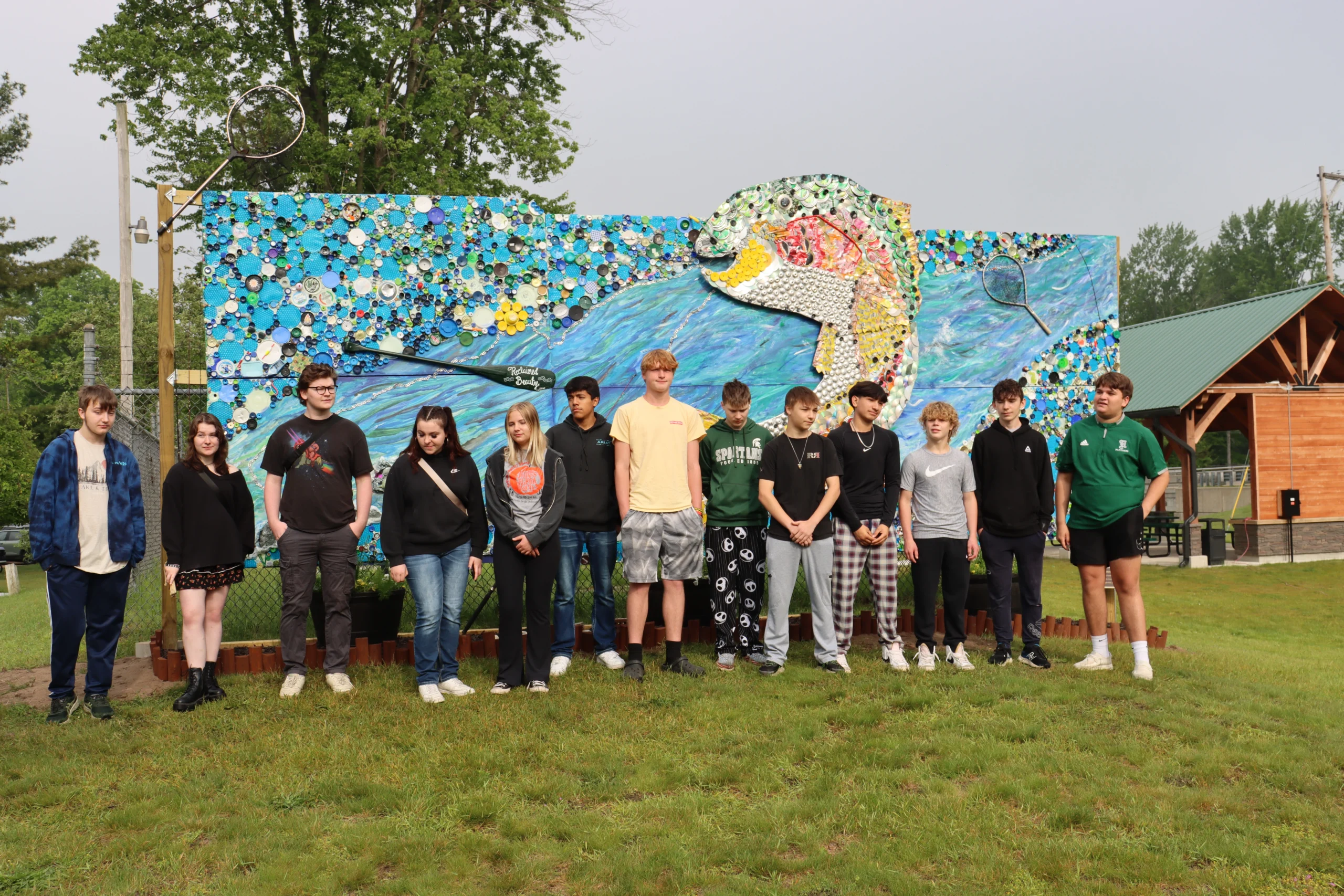
In early June, a public unveiling of Reclaimed Beauty, the Hesperia Art Mural, occurred at Vida Weaver Park. The project, led by Hesperia High School art teacher, Monica Grimard, and completed by Hesperia art students, consists of items most would consider recyclables or trash. Students found, and/or were provided with bottle caps, old CDs, canister lids, buttons, soda cans, fishing poles, flip flops found in the river, even a pool liner they then modified to work into the 40-foot three dimensional mural.

Throughout the project hundreds of hours were spent, alongside local artist Russ Baker, all thanks to a grant from the Michigan Arts & Culture Council. The process allowed students to try different art techniques, work with various mediums and view art through a new lens. 

“Watching the community, as a whole, view the beauty of this art installment at Vida Weaver Park has really shined a light on how important art can be to a community,” said Riley Knight, TrueNorth’s Cultural Arts Coordinator. “We encourage everyone to take time to visit Reclaimed Beauty to view the students hard work.” 

Tools for School Ensures Local Children Excel

Many families in our community dread the start of the school year. Between the rising cost of living and the long list of supplies needed for school, feelings of stress and anxiety overpower feelings of excitement. This is why programs that provide school supplies and community resources for children and their families, like TrueNorth’s Tools for School, are essential for our students’ success.

Continue reading to learn more about the need for school supplies assistance programs, like Tools for School, stories of impact and how you can ensure a bright future for our children.

Need for School Supplies

According to the U.S. Bureau of Labor Statistics, the cost of school supplies increased by 24.5% between 2020 and 2024. This steady increase places a growing burden on families each year as they prepare their children for school. Many low-income families are forced to make impossible decisions each year, such as whether to purchase school supplies for their kids or pay for essential needs like rent, utilities, or food, which have also increased significantly in price.

The charts below outline typical annual living expenses for Newaygo County residents in 2024 and 2025, as this is the county TrueNorth’s Tools for School program serves. A high percentage of basic needs expenses have risen including housing, food and medical costs. The Living Wage Calculator gathered this data and was last updated in February 2025.

2024 Typical Expenses for Newaygo County

2024 typical expenses data chart for Newaygo County.

2025 Typical Expenses for Newaygo County

2025 typical expenses data chart for Newaygo County.

With the increase in costs for basic necessities and school supplies, many families struggle to make ends meet. This is why school supplies assistance programs, like Tools for School, are essential for communities. Every child deserves to have the tools they need to excel in school. Learn more about the impact of these programs by reading below.

Impact of School Supplies Assistance Programs on Student Success

Believe in me’s article, “Leveling the Playing Field: The Impact of Back-to-School Drives,” discusses the importance of school supplies assistance programs noting: “Studies have shown that students with the necessary school supplies perform better academically. They are more likely to attend school regularly, complete homework and engage in classroom activities.” When students don’t have the supplies they need, they may feel embarrassed and be unable to fully participate in class. This negatively affects kids academically, socially and mentally as they begin to fall behind their peers.

Every child deserves to start the school year with the supplies necessary to excel. Not only does having the proper supplies help level the playing field for all students, but it also helps create community in the classroom as believe in me notes. The article further explains how “when all students have access to the same resources, it can promote community and solidarity among classmates, further enhancing the overall educational experience.” Read below to see firsthand the impact of school supplies assistance programs, like TrueNorth’s Tools for School.

Tools for School’s Impact

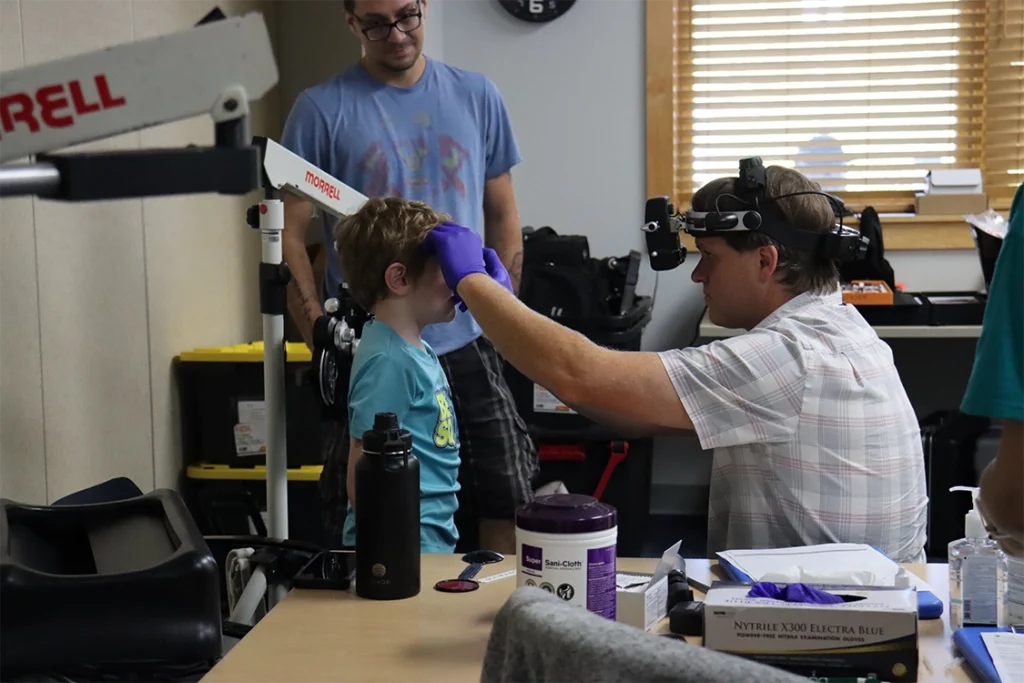
At TrueNorth Community Services, we believe every child deserves to have the resources and opportunities to thrive. This is why we offer our Tools for School event to ensure students in Newaygo County have the supplies they need to succeed in the classroom. To further support our children and families, we also invite community partners to share resources such as housing supports, healthy eating initiatives, kids’ programming opportunities and much more. Free services including eye and dental exams are also available, helping families take care of their children’s health.

Not only does Tools for School provide the tools our children need, but it also is a way to bring our community together. Having families come together with the same purpose of preparing their children for the school year creates a safe, caring environment helping parents know they are not alone. There are also fun activities like face painting and a bounce house to help kids feel welcome and get excited for the upcoming school year.

At last year’s event, over 1,000 kids received supportive resources, illustrating how when our community works together, Good Happens Here. This year’s event will build on this impact as we continue to serve Newaygo County students.

Alyssa’s Story

a table full of school supplies at the annual Tools for School expo

“The economy that we’re living in right now is not very livable, especially if you have a one-income household like we do. Childcare is incredibly expensive and when you have multiple kids, it adds up fast,” says Tools for School participant Alyssa about the benefit of the program. “So being able to have help available to you, again takes the stress off, makes things feel a little easier and lighter.”

Participating in Tools for School for her second year has set up Alyssa and her family for success. She has two young children so receiving the backpacks and resources was a huge support.

With working part-time and her husband’s work becoming inconsistent, Alyssa did not know how she would afford the supplies her children needed for school. This was a difficult reality for her to face because she wants her children to have what they need to be successful. Alyssa says, “I feel like my financial situation should never impact my children when it comes to things that they need like that…I knew that with insurance and rent that I would not be able to afford backpacks and school supplies, so even having that available is a huge help.”

Knowing her children will have the supplies they need is a huge relief for Alyssa. Being a parent, all she wants is for her kids to flourish inside and outside the classroom. Having the backpacks with school supplies means that her children will start the school year prepared and excited, not worrying about not having what the other kids do.

Ashley’s Story

“It just helps out,” says Ashley, mother of two, about TrueNorth’s Tools for School event. “Just to get all the information that’s out there, the resources. There’s a lot more out there than what I anticipated.”

Ashley has participated in TrueNorth Community Services’ Tools for School event for the past few years. From picking out their backpacks to seeing all the community resources available, coming to Tools for School helps set up Ashley’s family for success this school year and beyond.

Not only does Tools for School provide a number of resources to families just like Ashley’s, but it also fosters feelings of togetherness. Ashley says, “I like how everybody gets together too. It feels good, like safe.” Having families come together for the same purpose of preparing their children for school creates a sense of community. Not only does this help build excitement for the school year, but it also helps families just like Ashley’s feel seen and supported.

Support Tools for Schools and Brighten Futures

You can make a real difference in the lives of families like Alyssa’s and Ashley’s by donating to Tools for School. Your support will provide the physical tools our children need to excel in the classroom. Not only will you supply those essential items, but you will also connect children and their families with community resources to make an even greater impact.

“I feel like it’s a lot easier just to enjoy life in those moments with your family…I can actually just sit there and enjoy my kids and know that everything’s taken care of and that it’s going to be okay,” remarks Alyssa on the peace Tools for School brought her and her family.

When you give to Tools for School, you are ensuring our children thrive inside the classroom and beyond. Make a caring gift today and be confident you are sparking good in our community. For when kindness meets action, Good Happens Here.