Keeping Michigan Homes Warm

As Michigan settles into another long winter, many families brace themselves for the inevitable rise in heating bills. The thought of keeping a home warm during freezing temperatures can feel daunting, especially when utility costs already stretch household budgets to the limit. While people often expect higher energy bills in the coldest months, the reality is that heating expenses can climb throughout the entire season — and even in the unpredictable weeks of fall and spring. A chilly October morning or a late freeze in April can be just as costly as the deep cold of January, often catching households off guard.

Continue reading to learn more about why heating costs fluctuate, how to manage them and where to find support if bills become overwhelming.

Why Heating Bills Fluctuate

Heating costs are influenced by far more than just outdoor temperatures. The length of your billing cycle, fluctuations in occupancy and the efficiency of your heating system all play a role. A longer billing period in December can make one month’s bill appear shockingly high, while a few unexpected nights of below-freezing weather in March can cause a sudden spike in usage. Even small changes in daily patterns, such as having more family members home during school breaks, can add to the draw on heat, hot water and electricity. For families already balancing tight budgets, these variations can be stressful and destabilizing.

Consumers Energy highlights that many households are surprised by these variations. In their feature Winter Doesn’t Have to Be Cold, they stress how energy use depends not only on temperature but also on family routines, habits and the condition of your home.

The Role of Home Efficiency

Beyond household habits, the condition of the home itself has a direct impact on costs. Older homes with poor insulation, leaky ductwork or drafty windows force furnaces and boilers to work overtime just to maintain comfortable temperatures. A clogged air filter or an overdue tune-up can cause systems to run less efficiently, wasting both fuel and money.

Even renters face unique challenges. While they may not be able to replace old windows or invest in insulation upgrades, they still feel the pinch when energy slips through cracks and gaps. This lack of control can leave many residents resigned to high bills they cannot prevent, further underscoring the importance of community programs and support systems.

Rising Rates and Growing Pressure

Even as residents work to tighten up their homes and adjust thermostat habits, systemic pressures make keeping energy affordable harder each year. As Bridge Michigan reports in its article “Michigan heating bills expected to rise this winter,” the Public Service Commission recently approved a rate increase for DTE Gas, affecting over 1.3 million customers across hundreds of communities statewide. This change includes both a base rate hike and additional surcharges tied to infrastructure investments, which are expected to grow further in the coming years. 

The article notes that the rate changes take effect as energy use is already climbing — meaning many households will face dual pressure: higher consumption and steeper pricing per unit. Bridge Michigan also emphasizes that while programs such as the Michigan Energy Assistance Program, State Emergency Relief and Michigan’s Home Heating Tax Credit exist to cushion hardship, navigating them can be confusing.

Smart Steps to Reduce Heating Costs

The good news is that there are ways to manage these costs, even in the most unpredictable months. Small steps can lead to meaningful savings and larger changes can transform a household’s energy profile altogether.

DTE Energy’s resource Understand and Take Control of Your Winter Energy Bill notes that thermostat management is one of the most effective starting points. Experts recommend keeping the thermostat at about 68 degrees when you are home and awake, then lowering it slightly at night or when the house is empty. A two or three-degree difference might not feel dramatic in the short term, but over the course of a season, it can significantly reduce heating costs.

Draft-proofing is another powerful measure. Heat escapes easily through gaps around doors, windows and even electrical outlets. Applying weather-stripping, caulking cracks and closing curtains at night can reduce this loss and allow systems to operate more efficiently. On sunny winter days, opening blinds on south-facing windows can help capture free heat from the sun, while closing them again at dusk maintains warmth inside.

Regular maintenance also makes a difference. The team at West Michigan Heating & Air Conditioning emphasizes the importance of furnace maintenance, noting that changing filters routinely or scheduling annual inspections helps systems run efficiently and prevents unexpected breakdowns.

Meanwhile, Michigan Saves — the state’s green financing authority — outlines how families can take bigger steps, such as improving insulation or upgrading to energy-efficient equipment. With the help of rebates, financing and partnerships, many households can access these improvements with little or no upfront cost.

The Support of TrueNorth’s emPower

While these practical steps can be helpful, the reality remains that many families require additional support to stay warm during Michigan winters. That is why programs like TrueNorth’s emPower exist. As a Michigan Energy Assistance Program (MEAP) grantee, emPower provides direct assistance to households struggling to pay energy bills, but it goes beyond emergency aid. The program connects families with long-term solutions, including budgeting, energy education and partnerships with utility companies. 

Imagine a single parent facing the choice between paying a utility bill and buying groceries. A few cold nights in early November send the furnace running more than expected and suddenly the utility bill is nearly double what was budgeted. Without assistance, that parent might face late fees, the threat of disconnection or the impossible trade-off of leaving children in a cold home. Through emPower, that same household can receive support to keep the heat on, connect with resource referrals and learn sustainable strategies for managing costs.

A Community-Wide Impact

Support programs also play an essential role at the state level. The Michigan Energy Assistance Program, State Emergency Relief and the Home Heating Credit provide critical safety nets; however, navigating eligibility and paperwork can be overwhelming. TrueNorth helps bridge this gap by guiding families through the application process and connecting them with the right combination of services.

There’s also a broader community benefit to reducing energy burdens. Families who spend less on heating can redirect those savings toward other essentials such as food, healthcare and transportation. Warm, stable homes improve health outcomes and reduce stress. Across communities, lowering energy burdens strengthens resilience and economic stability.

Lasting Energy Solutions

Energy efficiency improvements can sometimes feel out of reach, particularly when the initial cost of upgrades is high. However, through rebates, financing and partnerships, many households can make these improvements with minimal upfront investment. From installing smart thermostats to upgrading insulation, there are practical ways to enhance home efficiency while maintaining affordability. TrueNorth’s emPower team helps families identify and pursue these opportunities, ensuring that savings are both immediate and sustainable.

Staying Warm with Confidence

Managing energy costs is not only about saving money; it is about maintaining dignity and energy security in the face of rising expenses. Every family deserves to live in a home that is warm, safe and affordable. Yet each year, thousands of Michigan residents face the threat of having to choose between heat and other basic needs.

By raising awareness, sharing practical strategies and connecting people with programs like emPower, we can begin to change that narrative. Small actions, such as adjusting the thermostat, sealing drafts or replacing air filters, may seem minor, but together, they ease the strain on both households and heating systems. And when those small steps aren’t enough, emPower is there to ensure no one faces a Michigan winter alone.If you are a Michigan resident struggling with rising energy bills or know someone who is, TrueNorth’s emPower program is here to help. Reach out to emPower to learn more about available resources, connect with assistance and explore options to make your home more energy-efficient.
Event Breaks Records

Empty Bowls Supports Local Families

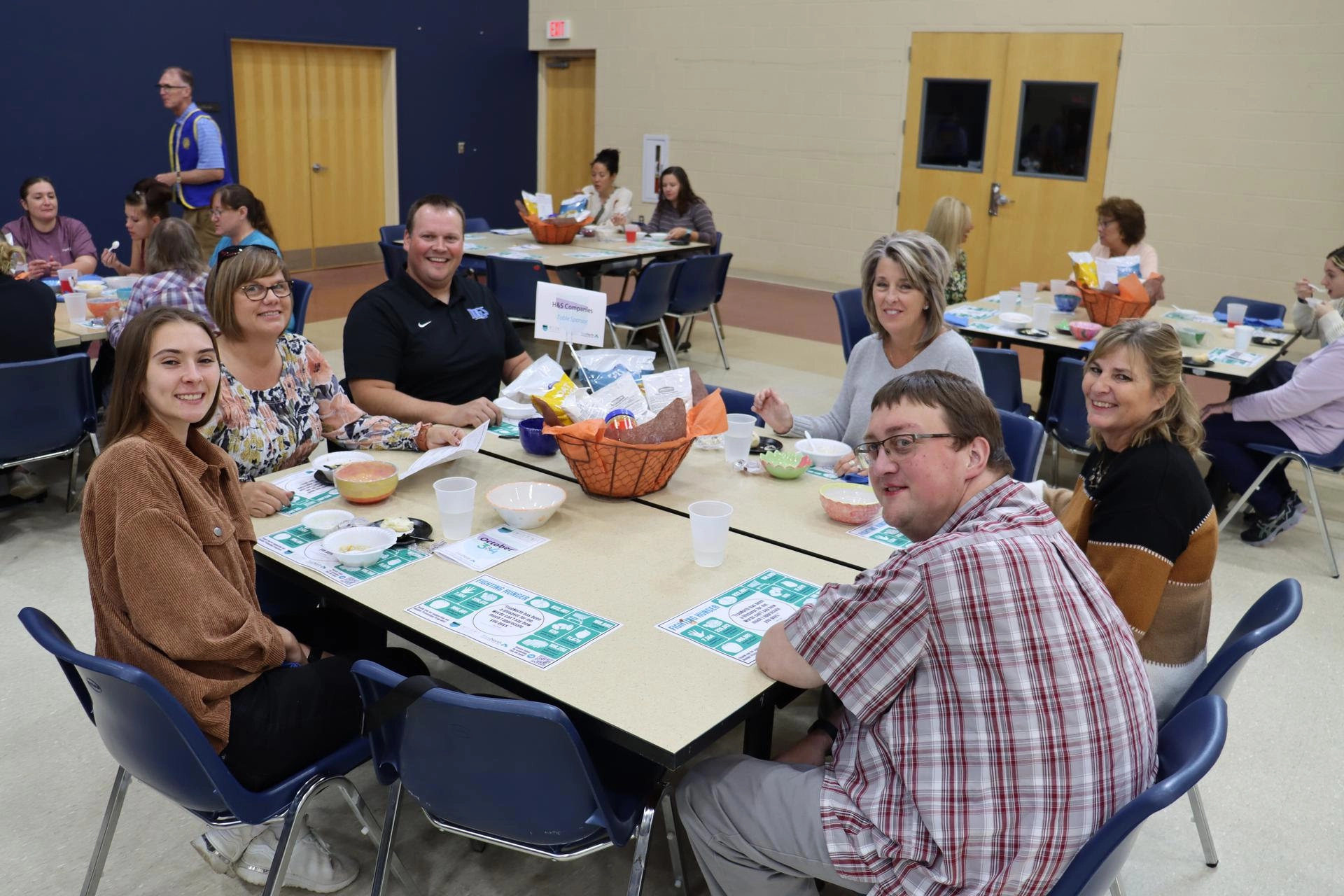
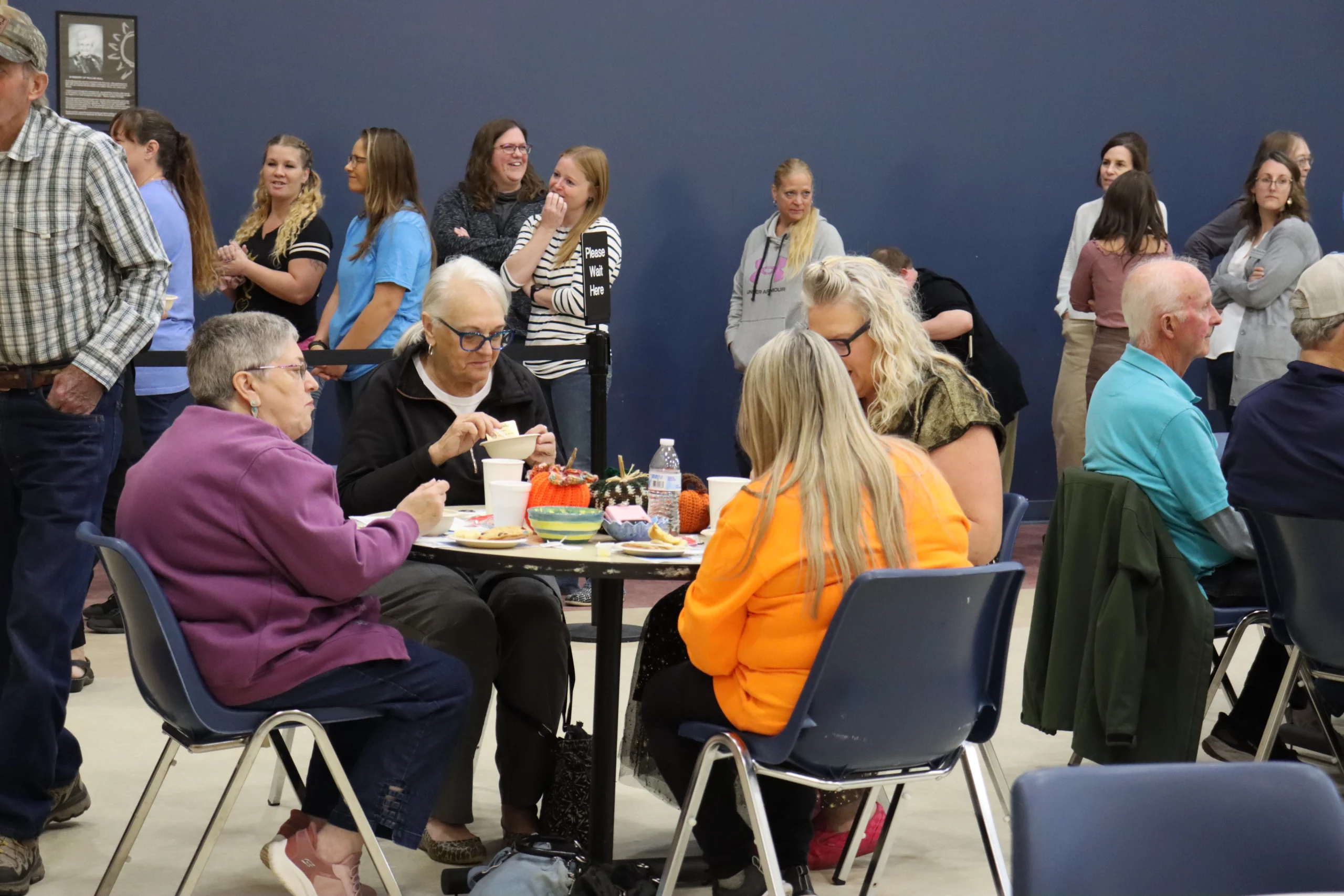
This year’s Empty Bowls fundraiser was truly remarkable, showcasing the power of compassion and community. With over 300 attendees and $28,000 raised, this was the most successful Empty Bowls in its 20-plus-year history.

For more than two decades, Empty Bowls has united neighbors around a simple meal and a shared mission—to fight hunger and offer hope. Each handcrafted bowl, decorated by local artists and students, represented the many families across our community who face empty bowls and tough choices every day.

Thanks to this record-breaking generosity, even more children, parents and seniors will have access to healthy, nourishing food. The funds raised will expand food distributions, restock food center shelves with fresh produce and staples, and strengthen emergency food programs for families in crisis. This support means parents won’t have to skip meals, seniors can stretch their limited budgets further, and children can focus on learning instead of worrying about hunger.

We are deeply grateful to every artist, volunteer, sponsor and guest who made this milestone possible. Your generosity proves once again that when our community comes together, Good Happens Here—filling more than bowls, but hearts and homes with nourishment, dignity and hope.


Program Growth

OST Programs Growing

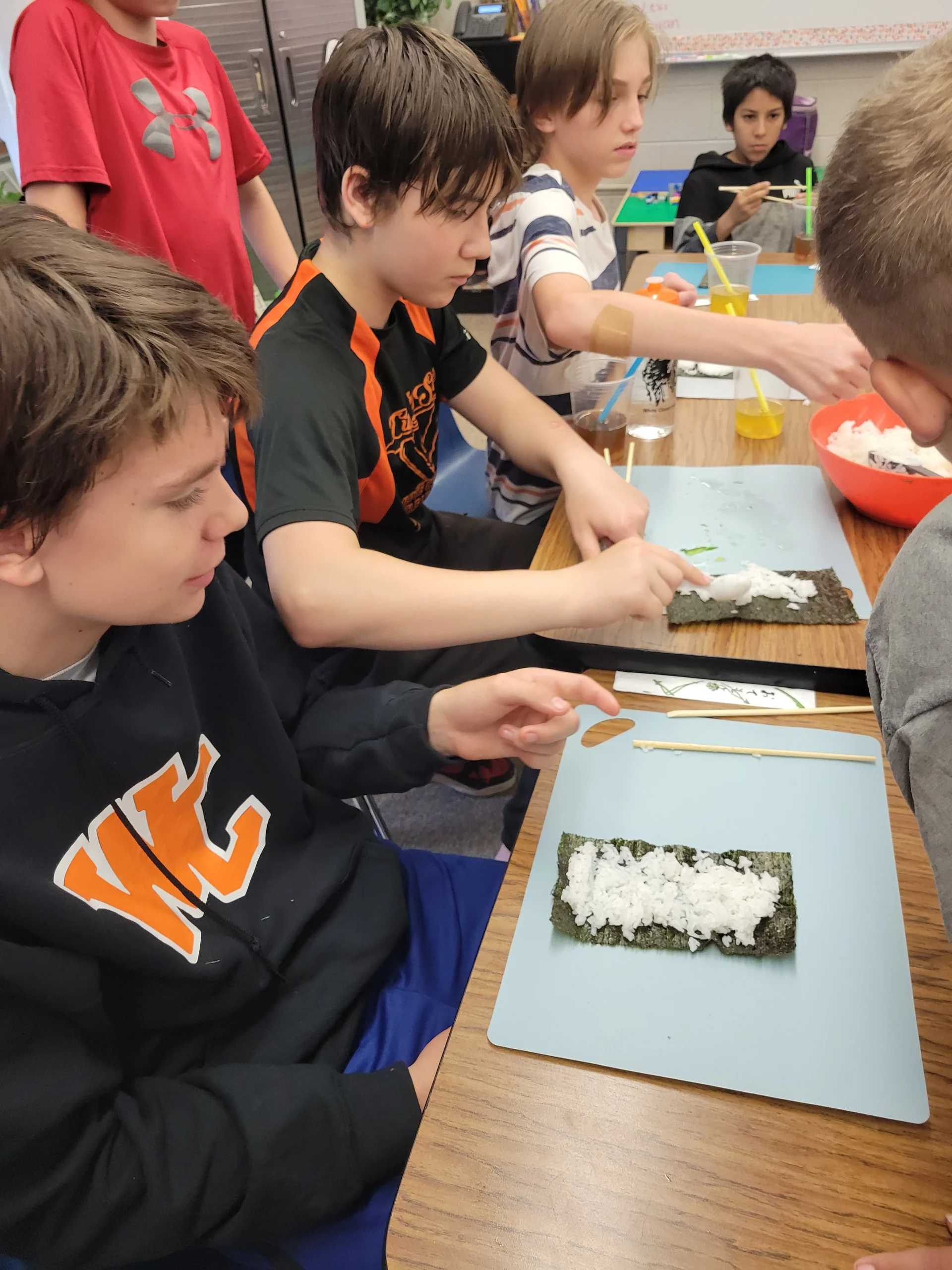
The school year kicked off with some exciting new program changes for our Out-of-School Time Programs, acknowledging intentional inclusion of even more youth for the 2025-2026 school year. 

Holton Elementary expanded programming to include kindergarten students and now, also offers before school programming. 

“In an effort to support more students and meet the needs of our families, we recently worked with Project FOCUS to change program times and grade level eligibility. This flexibility has allowed us to enroll more students and offer a before school option for our elementary students,” shares Dr. Adam Bayne, Holton Superintendent.

Parents are also expressing their gratitude for the program. 

“I have two kindergarteners in the Project FOCUS Program at Holton Elementary. This program’s flexible structure has been a game-changer for our family. It has allowed me to keep my job and build my career without the constant stress of rigid schedules. The perfect sync between my work hours and their school days is a gift that has saved me a fortune in daycare expenses and the logistic nightmare of arranging third-party childcare. This freedom has not only supported my professional life but has also brought a priceless peace of mind. My kids’ days are filled with vibrant creativity, from arts and crafts that ignite their imaginations to games like Simon Says that keep them active and engaged. This focus on playful, hands-on learning, where there is no division between fun and education, has cultivated their natural curiosity and turned each school day into an exciting adventure. Project FOCUS is more than just a program and I couldn’t be more thankful for all the opportunities it has brought my family, thank you,” says Nancy Bromley, Holton Project FOCUS parent.

“I have a fifth grader and a first grader who have both been part of Holton’s morning Project FOCUS program, and I’ve never seen them so excited to get up and go to school. My first grader especially loves connecting with older students, and every day they come home eager to share the fun they had—whether it’s stacking cups, building paper chains, playing games, or learning about how everyone brings purpose. Project FOCUS has helped my kids see value in themselves and others. The staff is phenomenal, and my kids are genuinely disappointed on days they can’t attend. It’s truly given our family the best start to each day,” stated Stephanie Callow, Holton Project FOCUS parent.

In addition to the changes at Holton Elementary, Muskegon Heights Academy also launched programming at the middle school for students in 6th-9th grade. They will now serve these youth with enriching activities and programming in addition to kindergarten through 5th grade at Edgewood Elementary. 

Many programs, including Baldwin, Hesperia, Holton and White Cloud, extended programming to include 9th graders as well. This decision will allow many of the same youth who have been enjoying Project FOCUS programming to remain in the program for a longer duration, receive academic support and maintain the strong relationship bonds they’ve formed, both with other students and with staff.

Youth Travel to U.P.

Annual Parks in Focus Trip

A group of Newaygo County youth successfully completed a week-long educational trip to Michigan’s Upper Peninsula, maximizing their time at Pictured Rocks National Lakeshore. The trip, which ran from August 12 to 18, was a central component of the TrueNorth Community Services TrueMentors’ Parks in Focus program.

This partnership between TrueNorth and the Udall Foundation is particularly significant: Established in 2007, it is the longest-running Parks in Focus partnership the Udall Foundation maintains outside of its home state of Arizona.

The core mission of connecting youth to nature through photography and stewardship saw significant success. Participants spent the week camping at Hurricane River Campground and engaging in guided programs offered by the National Park Service (NPS) Rangers. Educational programs included the Marsh Trail Guided Walk, the Miners Castle Guided Geology Walk and the popular Shipwreck Coast Guided Walk, which included a climb of the Au Sable Lighthouse. 

Every participating youth earned the official NPS Junior Ranger Badge, completing activities focused on conservation and park history. They also participated in a specialized Fishing Training and Skills Workshop conducted by Pictured Rocks National Lakeshore Rangers, with all youth able to take home a fishing pole following the training.

The youth also practiced their craft with a dedicated sunset photography session at the Campground beach. As a group, the 12 youth took a combined 5,000+ pictures during the adventure, making the subsequent task of selecting specific images for the exhibit both challenging and rewarding.

“For nearly all of these youth, this trip was not only the furthest away from home they had ever been but also the furthest and longest they had ever been from their families, and they did it all unplugged – without cellphones,” said Chadwick Walenga, TrueMentors Coordinator. “This really is one of those once-in-a-lifetime experiences that expands so many of life’s horizons and I hope this is just the beginning for them.”

With the successful completion of the trip, the participants are now officially alumni of the TrueMentors Parks in Focus Program and as such, will be eligible to participate (through the age of 18) in alumni outings that happen several times throughout the year at locations closer to home.

The educational journey concluded with a special local event held on September 25th, where the youth unveiled their top photo, which was selected and mounted as a photographic canvas, all while sharing reflections on the trip with family and friends. In attendance were members of the Fremont Area Community Foundation’s Youth Advisory Committee (YAC), underscoring the vital local investment in the program.

The success of the expedition was made possible through strong collaborative support. Special acknowledgment is given to the Pictured Rocks National Lakeshore Rangers for their direct, impactful educational programming, and to Fremont Area Community Foundation for their vital financial support of the Newaygo County initiative. The public will be able to view the students’ curated canvases when the exhibit opens at NCCA-Artsplace in Fremont, beginning in February 2026.

Costumes, Campfires and Community

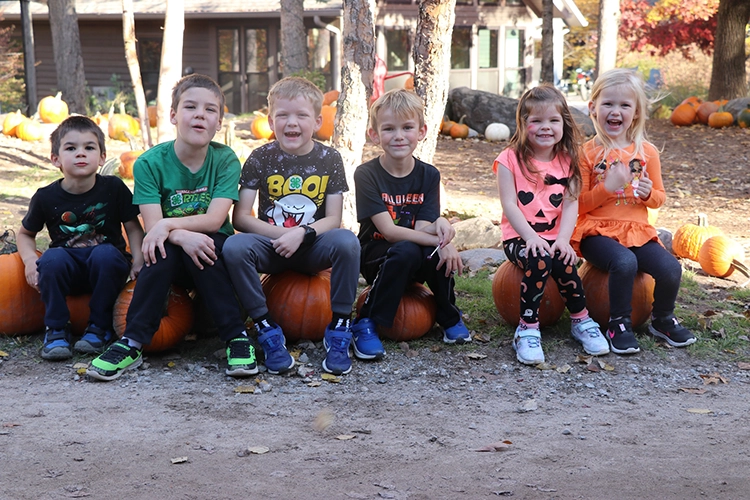
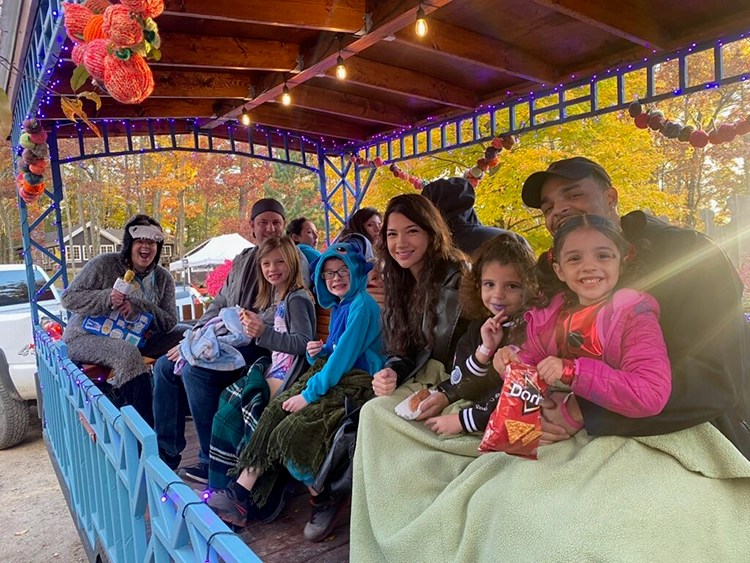
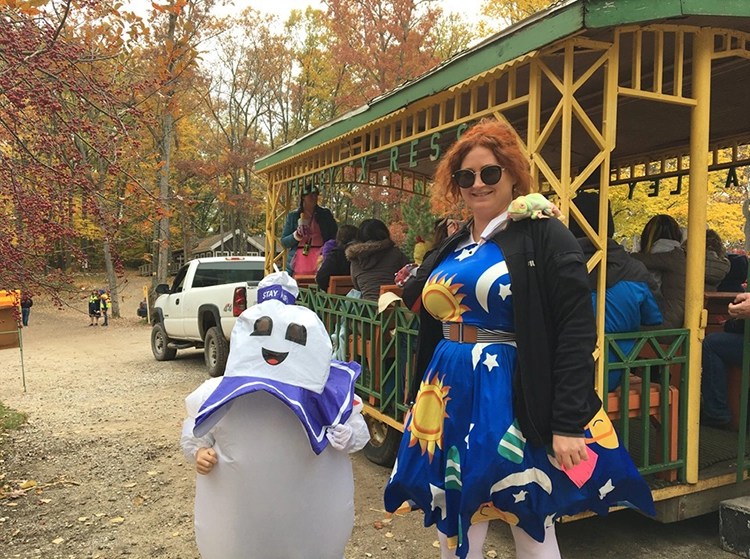
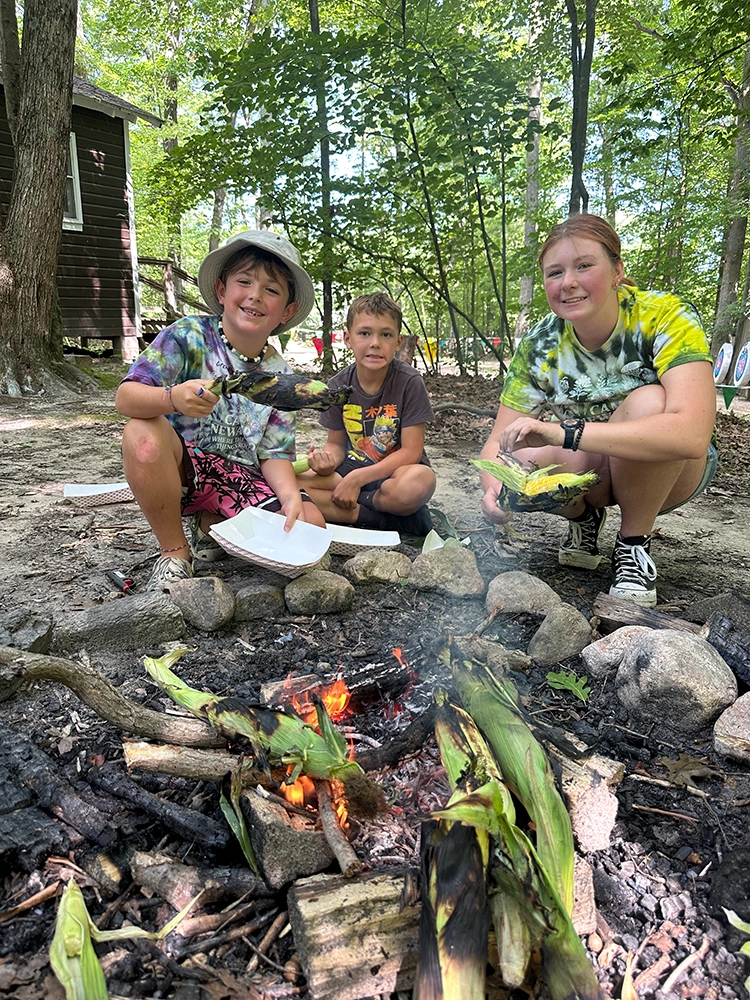
As autumn settles over Newaygo County, it signals more than a change in weather. It ushers in the season of warm sweaters, colorful leaves and cherished traditions. At Camp Newaygo, fall events are some of the most anticipated of the year—and this season, the camp is reimagining its annual festival with Costumes & Campfires. During this family-friendly fall festival, laughter, creativity and the warmth of campfires combine to create lasting memories. Camp Newaygo’s community events are cherished as powerful examples of placemaking – the process of turning spaces into meaningful places where people feel connected, welcomed and part of something bigger.

Continue reading to learn how placemaking works, why it matters and how Costumes & Campfires brings it to life in our community.

The Spark of Costumes & Campfires

At Camp Newaygo, Costumes & Campfires is more than just a festival. It’s designed to welcome families and individuals of all ages into a world of fall traditions, fun challenges and cozy moments. Guests can enjoy a wide range of activities—from pumpkin painting to rock climbing, high ropes, ziplining, archery and boat rides. Campfires offer warmth, conversation and connection. Guests sip cider, enjoy treats, laugh with children and see neighbors in playful costumes—an escape from daily routines.

What makes this event so special is its creativity, nature and adventure, all layered together to create a meaningful sense of place. Shared rituals like dressing up, painting pumpkins or sipping cider reinforce the rhythms of the season. Just as important, the activities connect directly to Camp Newaygo’s setting. Families paint, play, zipline through the woods, ride along Pickerel Lake and gather under the open sky.. By using the camp’s woods, lake and trails, Costumes & Campfires roots participants in the beauty of Newaygo County. The experience feels distinctly local.

These experiences are designed to be inclusive, offering opportunities for adventure, creativity and relaxation so everyone can find their place in the celebration. Thanks to scholarships and family rates, the event is accessible to all, welcoming everyone into the celebration. The result is a multi-generational gathering where parents, children, grandparents and young adults all contribute to the atmosphere of belonging.

What Is Placemaking?

Placemaking is a concept that comes from community development and urban planning, but it is really about people. At its core, placemaking asks a simple question: How can we design and use spaces in ways that bring people together, foster a sense of belonging and strengthen community ties? An article from Project for Public Spaces emphasizes successful placemaking creates environments where people naturally want to gather, interact and build lasting relationships.

Think of the difference between a bench in a parking lot and a bench in a park surrounded by trees, with a playground nearby and a coffee kiosk within walking distance. The bench is the same, but the context changes the experience. In one setting, it is just a place to sit; in the other, it becomes part of a gathering space where families, neighbors and friends can connect. That transformation—from space to place—is an example of placemaking in action.

Placemaking is not limited to city squares or large civic projects. It happens in small towns, local parks, libraries and community centers. It comes to life when neighbors share meals, families enjoy story time or people gather for celebrations like Costumes & Campfires. These events turn physical locations into shared experiences, thus creating a sense of belonging.

Why Placemaking Matters

Research shows that events, like Costumes & Campfires, strengthen social ties. By intentionally designing the gathering to create a sense of place through diverse methods, organizers achieve not only a deeper impact but also an enjoyable experience. A study from the Knight Foundation found three main drivers of community attachment: social offerings, openness and aesthetics. Events like Costumes & Campfires deliver all three. Events like Costumes & Campfires offer social opportunities for people to interact. Welcoming to everyone, regardless of age or background, the festival creates space for true connection. Highlighting the natural beauty of the camp and the season, it brings people together in ways that last long after the event.

Driving Civic and Economic Health

Public events also play a vital role in economic and civic health. The National Endowment for the Arts’ Creative Placemaking program defines such efforts as integrating arts, culture and design into community development. These efforts yield social, physical and economic benefits. Their research shows cultural events promote pride in place, strengthen civic life and encourage people to invest in their communities. Local gatherings like Costumes & Campfires do just that. They support small businesses, attract visitors and showcase the natural beauty of Newaygo County. These events also build trust and strengthen civic identity. In this way, a day of fun outside is also a lasting investment in community vitality.

Furthermore, NEA Arts & Livability Indicators highlight measurable outcomes. Some of the results are increased arts participation, improved perceptions of safety and walkability and strengthened community attachment. Seasonal gatherings like Costumes & Campfires mark time and reinforce community rhythms and traditions. Families anticipate them year after year, which builds not just joy but also long-term place identity and well-being. Annual traditions also mark time in ways that connect generations. Parents who once attended fall events at Camp Newaygo now bring their children, creating a layered sense of history and belonging.

How TrueNorth Community Services Supports Placemaking

TrueNorth Community Services is committed to fostering a stronger, healthier and more connected community. 

Offering events like Costumes & Campfires is one way we live out that mission, but it is far from the only way. Behind the scenes, our team works to ensure events are affordable, inclusive and welcoming. Scholarships make it possible for families of all income levels to attend, while thoughtful programming ensures every age group can find something meaningful to do: toddlers painting pumpkins to teens testing their courage on the high ropes.

But our role extends beyond logistics. By investing in events that bring people together, we plant seeds of long-term community health. In joyful, safe and inclusive spaces, neighbors build trust and form bonds that carry into daily life. These bonds matter when challenges arise—whether it’s rallying around a family in need, volunteering for a community project or supporting local businesses. The fun days of Costumes & Campfires are an investment in the social fabric that makes Newaygo County thrive

When families leave Camp Newaygo after Costumes & Campfires, they take more than pumpkins or costumed memories home with them. They carry with them a sense of connection to their neighbors, to the season and to the place they call home. That connection is exactly what TrueNorth seeks to nurture—not just at Camp Newaygo, but across every program, partnership and event we support throughout the year.

Join Us Around the Fire

So this fall, as families gather at Camp Newaygo for Costumes & Campfires, they’re enjoying a seasonal festivity and helping shape the story of their community. They’re practicing placemaking—finding common ground at Camp Newaygo and creating spaces where everyone feels at home.

We invite you to join us for the very first Costumes & Campfires at Camp Newaygo. Bring your costume, your creativity and your family traditions—and help begin a new chapter in our community’s story. This inaugural celebration is your opportunity to create memories that can evolve into lasting traditions for years to come. When you gather around the fire, you’re not only enjoying the warmth of the flames—you’re helping spark the warmth of community spirit.

Building Food Security Before the Storm

The first crisp mornings of fall in Newaygo County signal more than just the return of school buses on rural roads. For many families, the school year brings relief knowing their children will have consistent access to breakfast and lunch each day. These meals are essential to fight hunger and give kids the energy to learn, grow and thrive.

But hunger doesn’t stop at the classroom door. Weekends, snow days and long holiday breaks leave gaps that place children and families at risk. And as winter approaches, rising heating costs, icy roads and power outages make it even harder for households to keep food on the table. Recent reductions in federal food assistance benefits have only deepened these seasonal struggles, leaving many families with fewer resources just as expenses rise.

Continue reading to learn about how schools, food pantries and local organizations are working together to prevent hunger in Newaygo County.

Hunger Prevention in the Classroom and Beyond

Schools are often the first line of defense in preventing hunger among children. During the academic year, breakfast and lunch programs provide hundreds of thousands of Michigan students with nourishing meals. These meals also support their ability to learn and focus in the classroom. For many children, these meals are the most reliable source of nutrition they receive all day.

But hunger does not end when the dismissal bell rings. Many families in Newaygo County struggle to ensure their children eat during evenings, weekends and school breaks. Local backpack food programs, like TrueNorth’s Weekend PowerPacks, are designed to fill this gap. These programs are more than just a stopgap measure — they are a proactive way to prevent hunger from taking root in the first place.

The Broader Cost of Food Insecurity

According to Feeding America, 1 in 9 people in Michigan — including 1 in 8 children — experience food insecurity. This reality has long-term consequences. Children without regular nutritious meals risk developmental delays, school struggles and long-term health challenges. Preventing school-year hunger means more than meals; it builds the foundation for healthier, more successful futures. Food insecurity also carries an economic cost for communities. Poor health outcomes from inadequate nutrition increase medical expenses, strain health systems, and reduce workforce productivity. Investing in hunger prevention is, in many ways, an investment in community well-being and economic stability.

In Newaygo County, where approximately 16.2% of residents face food insecurity, these school-linked prevention efforts are crucial. Schools and local organizations must collaborate to fill the gap between family resources and children’s nutritional needs.

Preparing Families Before Winter Arrives

Fall is a time of transition — not only in the classroom but also in the community. As the leaves change, families in Newaygo County begin to prepare for the realities of Michigan’s winter. For many, that preparation includes making difficult choices. Heating bills rise just as holiday expenses and other seasonal costs pile up. Families often face the “heat or eat” dilemma: deciding between paying for warmth or putting food on the table.

The U.S. Department of Agriculture (USDA) notes that food insecurity tends to worsen during colder months as rising winter costs stretch household budgets thin. According to the USDA, households experiencing food insecurity often face trade-offs between food and utilities, particularly during the winter months. In rural Newaygo County, transportation barriers worsen as icy roads and snowstorms hinder access to grocery stores and pantries.

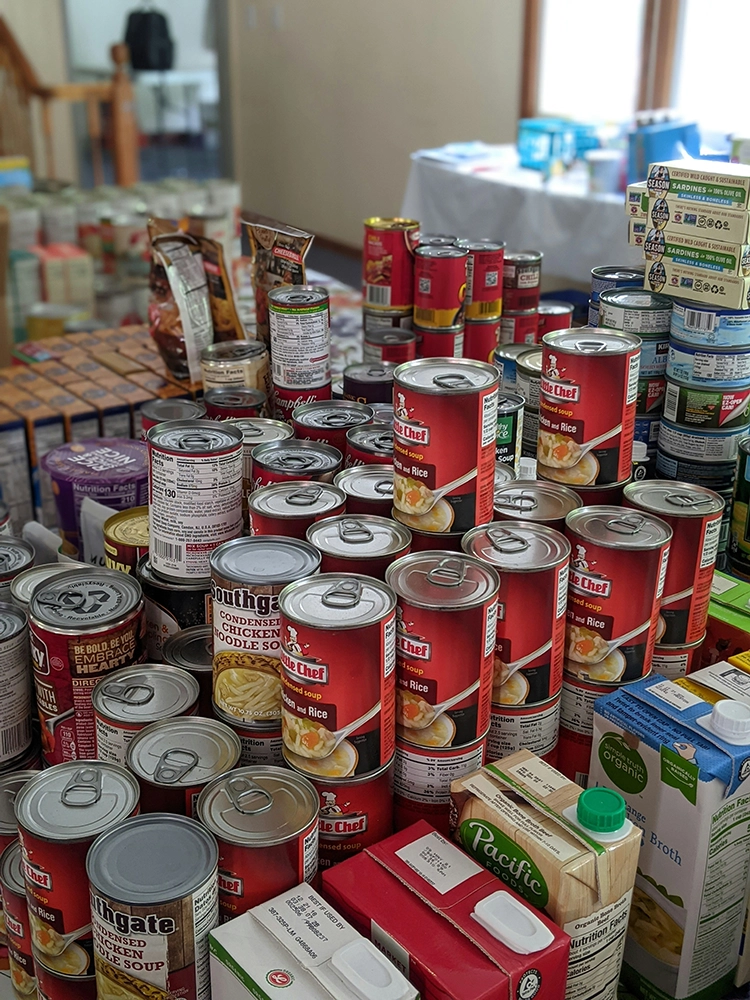
Food pantries and nonprofits are not waiting for the storm to hit — they are preparing now. TrueNorth and local partners stock shelf-stable goods and run mobile distributions to ensure food access during limited travel. Preventive strategies also include encouraging families to create emergency food kits at home, ensuring that basic nutrition is available even if access is temporarily cut off.

These efforts highlight an important shift in perspective: hunger prevention is not simply about responding to empty shelves. It is about anticipating the pressures winter will bring and putting safeguards in place so households are not pushed into crisis.

The Role of Community Support

Community support is at the heart of hunger prevention in Newaygo County. Food pantries, backpack programs and mobile distributions rely heavily on local donations, volunteers and partnerships. Organizations often host events to plant a seed towards ending hunger, not only to raise funds but also raise awareness, reminding neighbors that families experience hunger firsthand, not as an abstract issue.

Community engagement is about more than short-term relief. It fosters a culture of resilience, where families know they can rely on their neighbors and local organizations during times of need. This network of support helps prevent the isolation that accompanies food insecurity, especially in rural areas where resources may be difficult to reach.

Supporting Seniors and Vulnerable Populations

While children are often the focus of hunger prevention conversations, seniors and other vulnerable populations face unique challenges that cannot be overlooked. In Newaygo County, many older adults live on fixed incomes. Rising heating costs, medical expenses and limited mobility make winter a tough season.

According to Feeding America, 5.5 million Americans age 60 and older experienced food insecurity in 2021, highlighting the widespread challenge. In Newaygo County, this reality is felt acutely, where seniors often face the dual burdens of limited income and the difficulties of living in a rural area. Feeding America partners with local organizations to reduce senior hunger by providing direct food support and coordinating wraparound services. These efforts provide meals while tackling aging challenges like transportation barriers, health concerns and social isolation.

By strengthening these supports before winter arrives, local organizations can help ensure that no senior has to choose between staying warm and staying nourished.

Beyond Food: Tackling the Root Causes of Hunger

Hunger is rarely an isolated problem. It is often intertwined with other challenges such as unemployment, housing instability and high energy costs. Preventing hunger in Newaygo County means addressing these root causes head-on.

Programs like emPower, which provide energy assistance and self-sufficiency services, play a critical role in this broader prevention strategy. By easing utility costs and the “heat or eat” dilemma, these services help families stretch limited resources further. Housing stability initiatives and transportation support are also essential to ensure families can consistently access food.

According to the Center on Budget and Policy Priorities, programs that combine food assistance with wraparound support services are the most effective in reducing long-term food insecurity. In Newaygo County, nonprofits, schools and agencies collaborate to build a safety net that prevents hunger.

How You Can Help Build Food Security Before the Storm

Hunger prevention is a community-wide effort. Individuals, businesses and organizations all have a role to play in ensuring Newaygo County families are supported through the school year and into the challenges of winter.

Donating to local food assistance organizations, volunteering time at community events and supporting initiatives like TrueNorth’s Empty Bowls are all ways to make a direct impact. Advocating for stronger public policies that support food security and energy assistance also contributes to long-term solutions. Even small actions — such as checking in on a neighbor or sharing resources — can make a significant difference.

By working together now, before the storm, we can build a stronger, more resilient Newaygo County where every family has the food and resources they need to thrive.

Building Tomorrow’s Food Security Today

Schools, food pantries, community organizations and residents all have a role to play in building food security before the storm. Focusing on prevention ensures children, seniors and families receive lasting support beyond today’s immediate needs.

Together, we can create a community where no one has to face hunger alone.

Good Happens at Camp

Good Happens Thanks to Scholarship Success

Good Happens Here at the TrueNorth Service Center, out in our communities, and at Camp Newaygo, a program of TrueNorth Community Services. Camp Newaygo wrapped up a record breaking summer of serving local campers with scholarship funds from the Fremont Area Community Foundation. 

In total, $59,000 in scholarship funds from the foundation were provided to local families allowing 67 campers to attend Girls’ Overnight Camp and Co-Ed Day Camp. This generous support ensured youth had access to foundational experiences that help them build positive relationships, grow in their independence, strengthen their resilience and demonstrate grit.

Camp Newaygo serves youth from across the state and country in its summer programs and with the support of a variety of additional partners, including The Gerber Foundation, ensures additional scholarship funds are available for youth, regardless of where they are from. Thanks to additional foundations, organizations and individual support, over $122,000 in scholarships were awarded this summer.

Looking ahead to this fall, the Fremont Area Community Foundation’s Youth Advisory Committee has supported a Family Event Access Fund for the 2025-2026 season! In the spirit of ensuring everyone can enjoy activities at Camp Newaygo, these funds support scholarships to many of Camp Newaygo’s community and family events. 

We are proud to have a summer camp where good happens for our community, regardless of financial means. If you’d like to support ensuring more folks have access to camp, learn more about giving here.

What Matters to You?

ENGAGE! Helps Older Adults Find Purpose

“I come in here and feel welcomed and feel like I’m a part of a family. The people, other participants and staff encourage me and are non-judgmental,” says Susan, a TrueNorth ENGAGE! participant. Through the program, which was soft launched earlier this year, Susan has been connected to various art classes and also attends Community Connections’ Drumming All Together. The program is already seeing participant success.

“It wasn’t until I started attending your program at TrueNorth that I realized I could still live my best life and I didn’t have to stop living,” states another ENGAGE! participant, regarding her involvement with the program. 

ENGAGE! is a social prescribing program that connects older adults to community services and activities to enhance their overall health and well-being. The program staff, called link workers, walk alongside them on their journey to help guide the way—on the participant’s terms, at their own pace. The goal is to connect participants to area programming based on their answer to the question “What Matters to You?”. 

This month ENGAGE! officially launches and will be enrolling additional participants into the program. If you know an older adult who is looking for new opportunities, friendship, creative outlets or community involvement, ENGAGE! might be the place for them. Contact Carmen at (231) 924-0641, ext. 111 or TNengage@truenorthservices.org.


Empty Bowls is Back

Join Us as We Fight Hunger

Every day, families in our community face the harsh reality of hunger. Parents sacrifice meals so their children can eat, seniors stretch a single can of soup over several days and hardworking neighbors are forced to choose between paying bills and putting food on the table.

You can be part of the solution. Empty Bowls, hosted by TrueNorth Community Services, is more than just a meal—it’s a chance to come together and make a lasting impact. Guests enjoy a simple lunch of soup and bread and take home a handcrafted bowl to keep as a reminder of the many “empty bowls” in our community.

Your support directly benefits TrueNorth’s Hunger Prevention programs, helping us provide healthy meals to children, families and seniors across Newaygo County.

At TrueNorth, we believe no one should face hunger alone. When neighbors come together—through events like Empty Bowls—we show families that help is here, that they are not forgotten and that we can overcome hunger when we stand side by side.

Thursday, October 9, at the TrueNorth Service Center in Fremont
Friday, October 10, at the VFW Post 4249 in Newaygo
At both locations, soup will be served between 11:30 a.m. and 1:30 p.m.

Good Happens Here. Together, we can ensure no neighbor goes hungry.


Hunger in West Michigan

In West Michigan, hunger is not an abstract problem; it’s a reality many families face. Too often, families open the refrigerator and realize food won’t last the week. Parents sacrifice meals, seniors ration soup, and families choose between groceries, rent, and utilities.

The federal Supplemental Nutrition Assistance Program, SNAP, has long been a lifeline, but upcoming changes to benefits are deepening the crisis. Community organizations and events such as Empty Bowls are working harder than ever to fill the widening gap.

Continue reading to learn how food insecurity is rising in West Michigan, what proposed SNAP changes mean for Michigan families and how Empty Bowls offers a way for all of us to respond.

The Growing Need for Food Assistance in West Michigan

Food insecurity in Michigan is climbing at an alarming rate. According to Arc West Michigan, demand for food assistance has surged dramatically, with a 71% increase in the number of families relying on food distribution since 2021. That means more than 100,000 additional households are now turning to local food pantries and mobile food banks for support.

Inflation has added to the struggle. The U.S. Department of Agriculture reported in July that food prices rose by 2.2% annually, adding further pressure to household budgets. Struggles began in 2020 with the 25% increase in food costs. Families spending $600 on groceries per month in 2021 might now pay closer to $725 for the same cart of food. For households living paycheck to paycheck, that increase is devastating.

Arc West Michigan notes that food banks in West Michigan counties struggle to keep up with the demand. Hunger is no longer a challenge faced only by the unemployed or the homeless. It is affecting working families, seniors and even college students trying to balance tuition costs with daily meals.

SNAP: The Backbone of Food Security

The Supplemental Nutrition Assistance Program (SNAP) provides food benefits to low-income families through an Electronic Benefits Transfer (EBT) card. It works like a debit card to help households purchase nutritious groceries. In fiscal year 2024, SNAP accounted for a significant share of USDA nutrition assistance spending and served about 70.41 million participants nationally monthly, according to the U.S. Department of Agriculture’s Economic Research Service.

In Michigan alone, an estimated 1.47 million residents—approximately 15% of the state’s population—received SNAP benefits in 2024. According to a memo from the Governor’s office, that underscores the program’s vitality for many Michiganders.

But this critical lifeline is under threat. Federal policy changes now proposed would reduce monthly benefits for hundreds of thousands of households. Axios Detroit and Michigan Public report the shift burdens states with costs, straining families and agencies

What’s Changing with SNAP in Michigan

An Axios Detroit report explains that the recently passed “One Big Beautiful Bill” includes provisions that will reduce SNAP benefits. It will cost at least $25 per month for hundreds of thousands of Michigan households. Another change is an Increase in work requirements for families with children over the age of 14. For a family of four, that reduction can mean several meals lost each week.

Previously, work requirements for SNAP applied primarily to adults under fifty. Under the new law, individuals 55 to 64 must also meet work or training requirements to maintain benefits. The Guardian notes that this change disproportionately affects older workers facing barriers like health conditions or limited job opportunities.

According to The Washington Post, the bill also changes how SNAP is funded. States like Michigan will be required to cover between five and 25% of SNAP benefit costs. It will depend on error rates, as well as 75% of administrative costs. This shift could place enormous strain on Michigan’s state budget, forcing lawmakers to make difficult trade-offs in areas such as education, public health and public safety. Not only that, but the loss of revenue from SNAP dollars also affects local businesses in rural communities.

Governor Gretchen Whitmer has warned that these changes could cost Michigan as much as $900 million annually. A report by Our Midland states that such a financial burden has effects across state services, even as demand for food assistance continues to climb.

The funding cuts will not happen all at once. Instead, they will ramp up gradually, with the steepest reductions projected to take effect by 2028. Reuters notes that families will feel the pinch now, but the full impact on budgets and communities will grow over the next three years.

What This Means for Families in West Michigan

According to the Food Research & Action Center, the average SNAP benefit in Michigan was $173 per person per month in 2024—just under $5.70 per person per day. That means even before cuts take effect, benefits are already stretched to the breaking point. A small reduction could push the daily allotment closer to five dollars or less, covering all meals.

With grocery prices stubbornly high, that amount does not go far. Families are forced into difficult trade-offs: skipping meals, relying on cheaper but less nutritious processed foods or turning to emergency food pantries more frequently.

Children and seniors are particularly vulnerable in this environment. Research cited by the Michigan Department of Health and Human Services shows that children experiencing food insecurity are more likely to fall behind academically. Seniors facing hunger are at increased risk for chronic health conditions such as diabetes and heart disease.

Empty Bowls: A TrueNorth Tradition of Fighting Hunger

One way the community can step up is through Empty Bowls, TrueNorth Community Services’ signature hunger-prevention fundraiser. For more than two decades, TrueNorth has hosted Empty Bowls as both a fundraiser and a community gathering, bringing people together to address hunger in Newaygo County.

This year’s events will take place on October 9 at the TrueNorth Service Center in Fremont and October 10 at the VFW Post 4249 in Newaygo. Guests will share a simple meal of soup and bread, served in a hand-painted bowl and take home a hand-painted bowl as a lasting reminder of the cause.

The symbolism is powerful: a handcrafted bowl, representing both the fragility and resilience of those experiencing hunger. Each bowl is a reminder that, together, we can help fill the empty places at family tables across our community.

Proceeds from Empty Bowls directly support TrueNorth’s Hunger Prevention programs, providing food to thousands of families throughout Newaygo County and neighboring communities. Attendees not only share a meal but also support TrueNorth’s mission to meet neighbors’ basic needs.

Tickets can be purchased online at https://www.truenorthservices.org/event/emptybowls/  or in person at the TrueNorth Service Center, located at 6308 S. Warner Avenue in Fremont.

A Call to Action

The challenges facing Michigan families are daunting. Food insecurity is on the rise, SNAP benefits are under threat and local organizations are stretched thin. But there is hope. Events like Empty Bowls remind us that when neighbors come together, Good Happens Here.

We all have a role to play—whether by advocating for strong food assistance programs, volunteering at a local pantry or attending community fundraisers like Empty Bowls. Each action is a step toward ensuring that no one in West Michigan has to wonder where their next meal will come from.