

 TNLisaDaniell
More Than Hunger: What Food Insecurity Actually Means
At TrueNorth, we see the impact food insecurity has on our community, which is why we’re committed to helping our neighbors access nutritious food and the resources they need to build greater stability.
Continue reading to learn more about the realities of food insecurity.
Defined
When you think of food insecurity, do you think of hunger? If you do, you aren’t alone.
Food insecurity is the lack of consistent or reliable access to enough food for yourself or your family. Being food insecure does not necessarily mean someone is currently hungry, but hunger can be a result of food insecurity.
But is this really a problem in our communities?
The Data
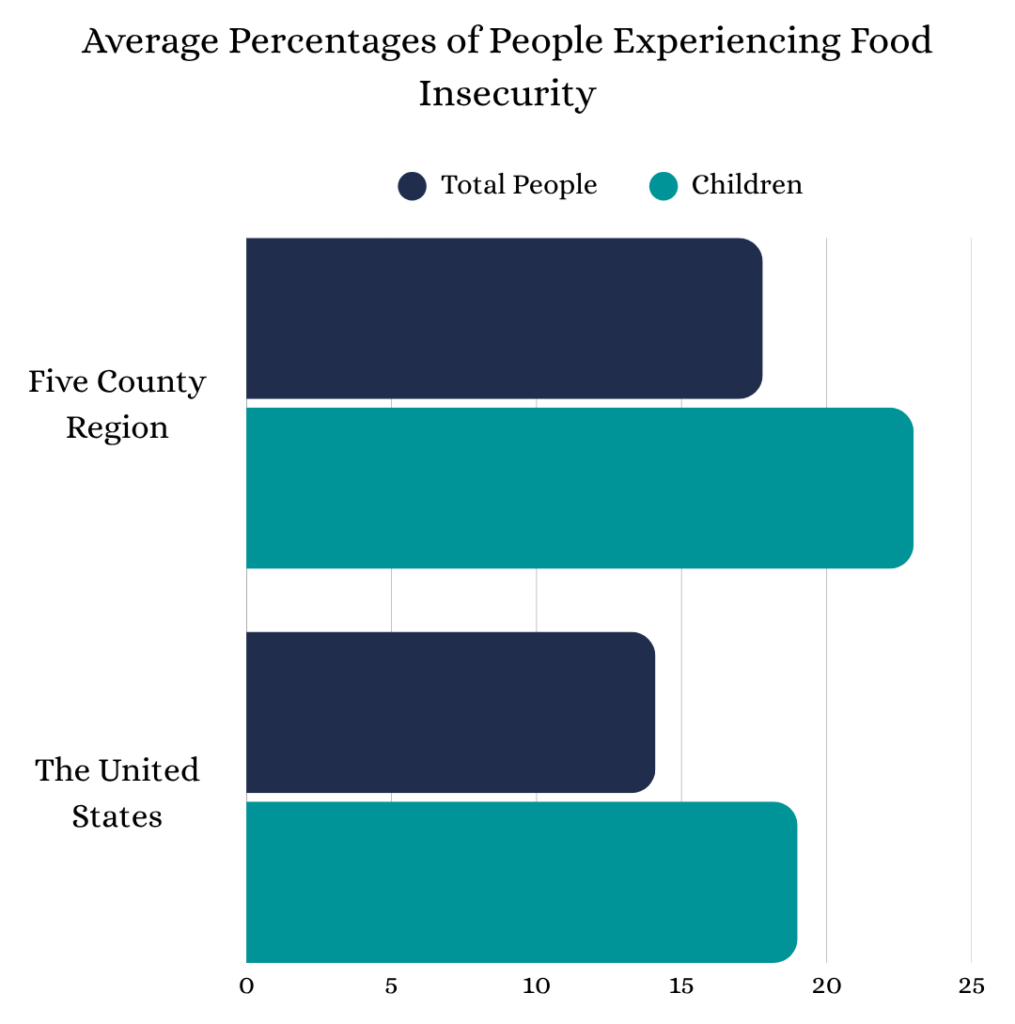
TrueNorth offers services and programs for regions such as Lake, Mason, Muskegon, Newaygo and Oceana counties. The 2024 Feeding America Map the Meal Gap study estimates that Nearly 1 in 5 people in this five-county service area have experienced food insecurity.
Nationally, it was about 1 in 7 people.
So, food insecurity affects a larger share of people in TrueNorth’s service area than it does nationally.
The research also shows that approximately 23% of children across the five counties were estimated to experience food insecurity. The national rate was about 19%.
This means that nearly 1 in 4 local children have experienced food insecurity, compared with about 1 in 5 children nationally.
This data shows that food insecurity isn’t just an occasional problem in the community, it affects a significant number of local families, including many children.
What Does Food Insecurity Look Like?
Food insecurity can be difficult to see. It may look like a parent skipping a meal so their children can eat, a family stretching groceries until payday or a child arriving at school without knowing where their next meal will come from.
Mike Voyt, director of Hunger Prevention services at TrueNorth, said food insecurity can affect people at nearly every stage of life, including children, working families and older adults. Rising costs and rural challenges like limited transportation and access to grocery stores can make it difficult for households to afford enough nutritious food. Many working families may be just one unexpected expense away from having to choose between food and other necessities.
“The reality is that anyone can experience a period when there simply is not enough money to cover every basic need,” Voyt said.
Food assistance helps bridge this gap and provides stability during difficult times. Despite the need, stigma and embarrassment often prevent people from seeking help. Many wait until they are in crisis before reaching out.
What Impacts does Food Insecurity Have?
While the stress of uncertainty can be damaging in and of itself, there are many other ways in which people are affected by food insecurity on a daily basis.
Proof Food Insecurity Policy Research reports that adults living in food-insecure households are more likely to experience infectious diseases, poor oral health and injuries. They are also more prone to chronic conditions like depression and anxiety disorders, heart disease, hypertension, arthritis, back problems and chronic pain.
For children, a National Library of Medicine study revealed that “experiences of food insecurity impact child development across physical, cognitive and social–emotional domains.”
Voyt said the effects of food insecurity extend beyond individuals, impacting entire communities.
“These effects ripple throughout the community, increasing demands on schools, healthcare providers, employers and social services,” he said. “Addressing food insecurity is not just about providing food. It helps build healthier families, stronger schools and more resilient communities.”
What Does TrueNorth Offer?
Addressing food insecurity means helping people access food before a difficult situation becomes a crisis.
That’s why TrueNorth is focused on Hunger Prevention Services.
TrueNorth offers a fully stocked Food Center, Weekend PowerPacks, Mobile Food Pantries and a variety of other services to those in need.
How Can I Help?
The amount of food insecurity in our communities demonstrates why community support matters.
One way to show your support is by attending one of our upcoming Empty Bowls Events. These events aim to raise the funds necessary to keep our various Hunger Prevention Programs running.
The events will be held from 11:30 am to 1:30 pm on Thursday, October 8 at the TrueNorth Service Center in Fremont and Friday, October 9 at the VFW Post 4249 in Newaygo.
There, attendees will enjoy homemade soup and bread, connect with their community and choose a one-of-a-kind hand-glazed ceramic bowl to take home. Every bowl and every meal helps support neighbors facing food insecurity in Newaygo County.
Pull up a chair and help us fight hunger. Visit www.truenorthservices.org/event/emptybowls and register today.
“At the heart of our Hunger Prevention Programs is making sure children, families and older adults have consistent access to nutritious food,” Voyt said. “We want to help build a community where everyone has access to the food and resources they need to live healthy and stable lives.”
Discover more from TrueNorth Community Services
Subscribe to get the latest posts sent to your email.