
 Celina Zuniga
Local Support Key
Before it was a gathering place for thousands each year, Camp Newaygo began as something much simpler; a promise. A promise rooted in Newaygo County, shaped by local relationships and realized through community support, starting in 1926.
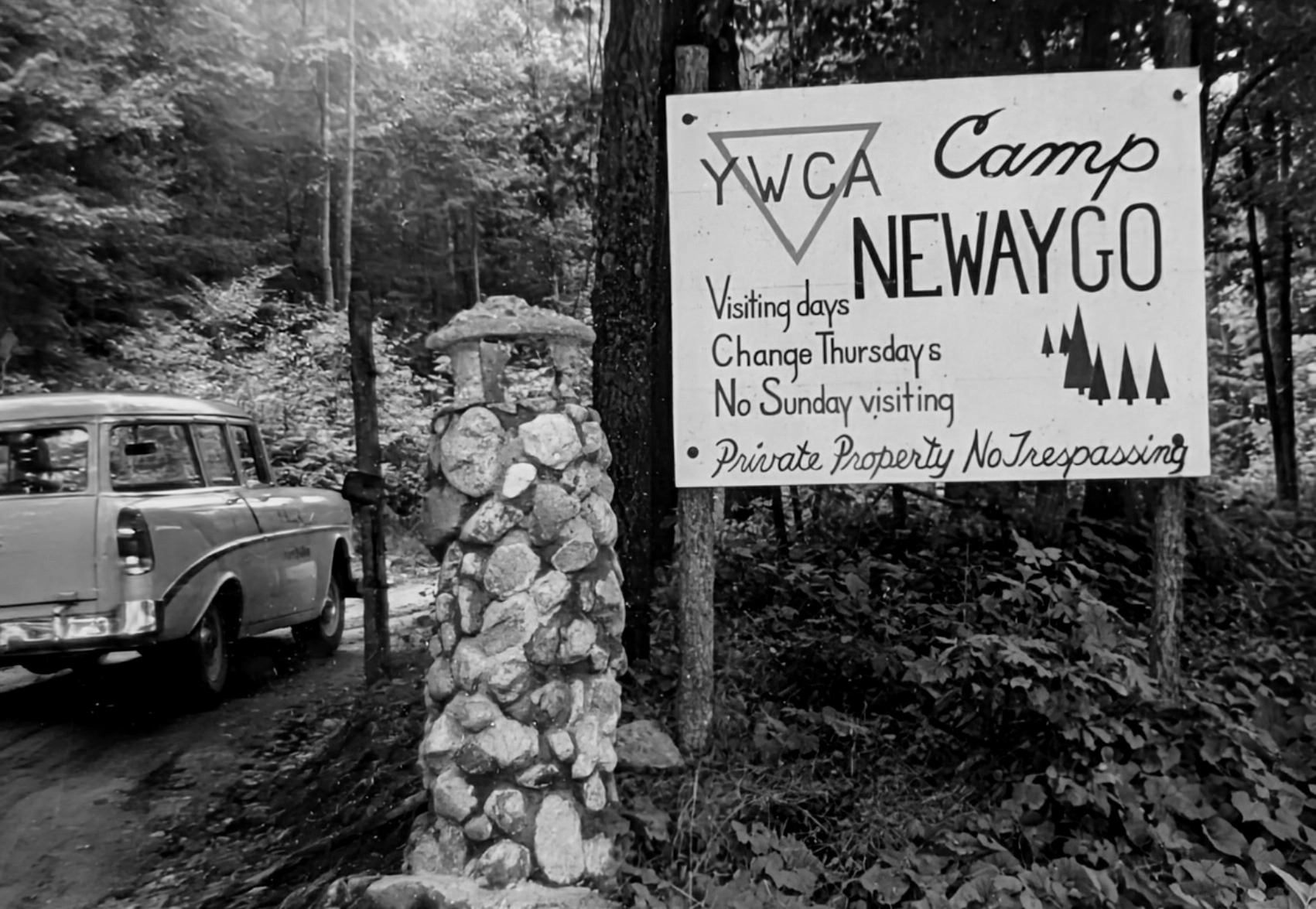
That year, William J. Branstrom, a respected Newaygo County philanthropist, sold property on Pickerel Lake to the Grand Rapids YWCA for one dollar. The transaction reflected a shared understanding. The land would be thoughtfully stewarded and used to serve young people for generations as Camp Newaygo.
Branstrom was well known throughout Fremont and the surrounding area for his commitment to community spaces and civic life. His generosity supported Branstrom Park, the Fremont Arboretum and the Hesperia Library, honoring his mother, Amelia S. Branstrom. The gift of property to become Camp Newaygo fit naturally within that legacy as it was an investment in people, place and long-term community well-being.
The YWCA selected the Pickerel Lake site with intention. Access to clean water, wooded land and a setting that encouraged focus and connection made it well suited for a resident camp experience. At a time when
opportunities for girls outside the home were limited, Camp Newaygo was designed to provide structure, leadership development and independence through outdoor living. The natural environment was central to that purpose, shaping programs that emphasized cooperation, responsibility and growth.
From the beginning, Camp Newaygo was woven into local life in Newaygo County. Nancy Reber Johnson recalled how her father and William Branstrom would walk home together from their law offices on Main Street in Fremont, their lengthy conversations often delaying lunch. Nancy and her sister, Marge Salata, were among the first campers to attend Camp Newaygo, reflecting the close ties between the Camp and local families.
Camp Newaygo opened under the operation of the Grand Rapids YWCA, welcoming girls from Newaygo County and beyond. The original cabin structures were built to support shared living and time outdoors. All nine of those original cabins remain standing today and are fully in use by current campers and programs, providing a direct, living connection between Camp’s earliest seasons and its modern operation.
The acquisition of Camp Newaygo’s land in 1926 established a clear purpose that has guided the Camp for a century. One hundred years later, now a program of TrueNorth Community Services, that foundation
continues to support a thriving, community centered organization
Discover more from TrueNorth Community Services
Subscribe to get the latest posts sent to your email.